
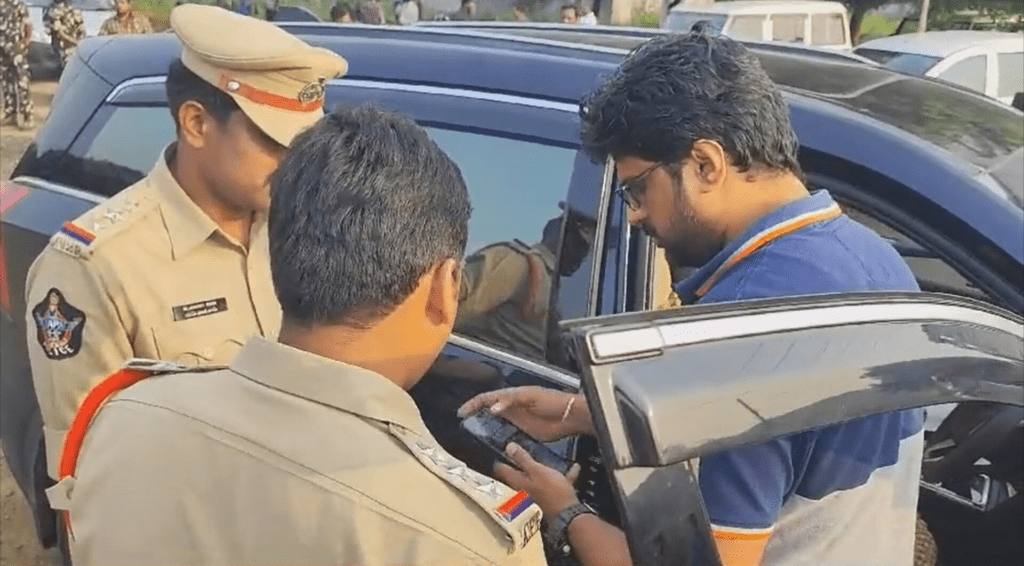
A viral video Indian police incident from Uttar Pradesh has ignited national debate, not because of violence or confrontation, but due to its sheer absurdity and the serious questions it raises. The visuals, recorded during a police verification drive in Ghaziabad, show a policeman holding a mobile phone against the back of residents, as if scanning them for identity details.
Within hours, the viral video Indian clip spread across platforms, drawing ridicule, anger, and concern in equal measure. For many viewers, the act appeared humiliating. For others, it raised alarms about how authority is exercised during sensitive verification exercises.
At the centre of the controversy is a simple but troubling question. What exactly was the police trying to do, and why did it look so unscientific?
The Incident That Triggered the Viral Video
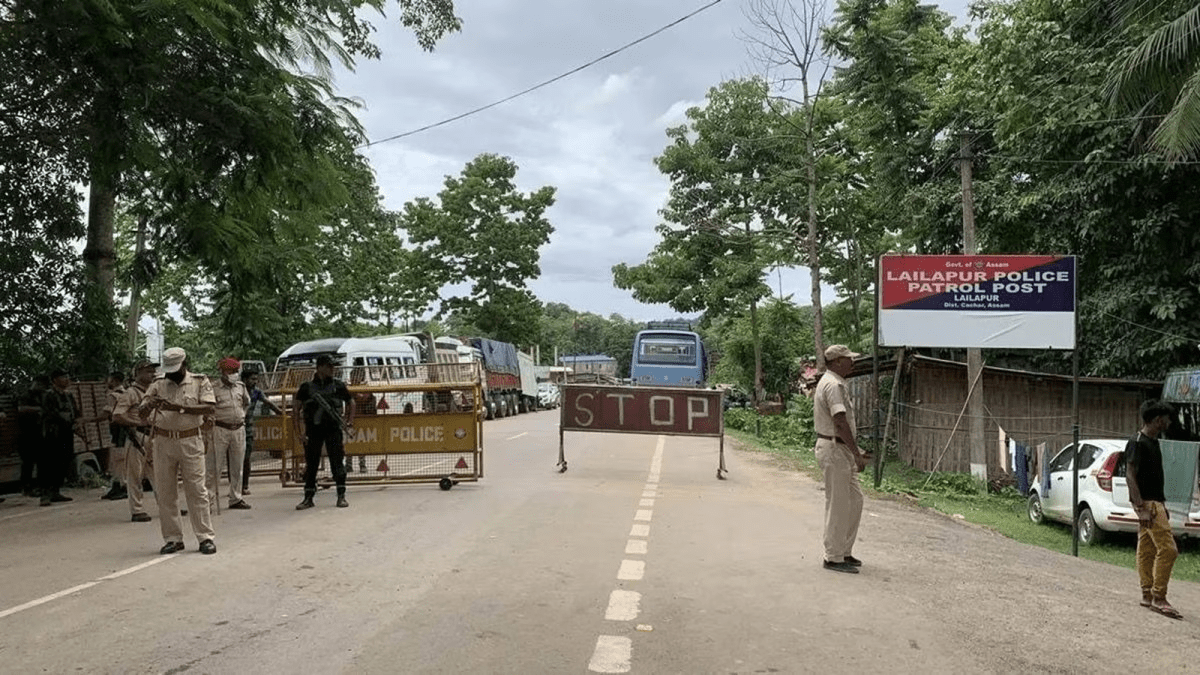
The episode occurred during a citizenship verification drive conducted by local police in Ghaziabad, near Delhi. Officers arrived in a detention vehicle and began checking residents’ documents.
What followed was unexpected.
A policeman was seen pressing a mobile phone against people’s backs, mimicking a barcode scan. According to residents, officers joked that this method could reveal whether a person was from Bangladesh.
For those present, the moment was confusing. For those watching online, it became instantly controversial.
What Residents Were Asked to Do

Residents reported that the process included:
- Producing Aadhaar cards and other documents
- Standing in place while checks were conducted
- Cooperating with police instructions without resistance
There were no reports of threats or physical abuse. Yet the symbolic act of “scanning” triggered outrage because of what it implied.
Family Account From the Ground
Roshni Khatun, who appeared in the viral video Indian clip, later explained that police claimed to have a machine capable of identifying a person’s origin. She stated clearly that no such device existed and that the phone was simply held against her brother-in-law’s back.
Her family, she said, has lived in the area since 1986 and originally belongs to Bihar.
Why the Video Sparked Such Strong Reactions
The backlash was immediate and intense. Social media users mocked the act, but beneath the humour lay discomfort and anger.
The viral video Indian moment touched on deeper anxieties around profiling, dignity, and the misuse of authority. Verification drives are sensitive by nature. When conducted poorly, they can feel invasive even without overt force.
For many viewers, the scene felt less like policing and more like performance.
Public Concerns Raised Online
The criticism broadly focused on three issues:
- Lack of scientific basis for the so-called scan
- Potential humiliation of residents
- Absence of transparency in verification methods
People asked whether such behaviour reflects training gaps or a casual disregard for citizens’ dignity.
Is public trust meant to survive jokes made with power?
Citizenship Verification and Its Sensitivities
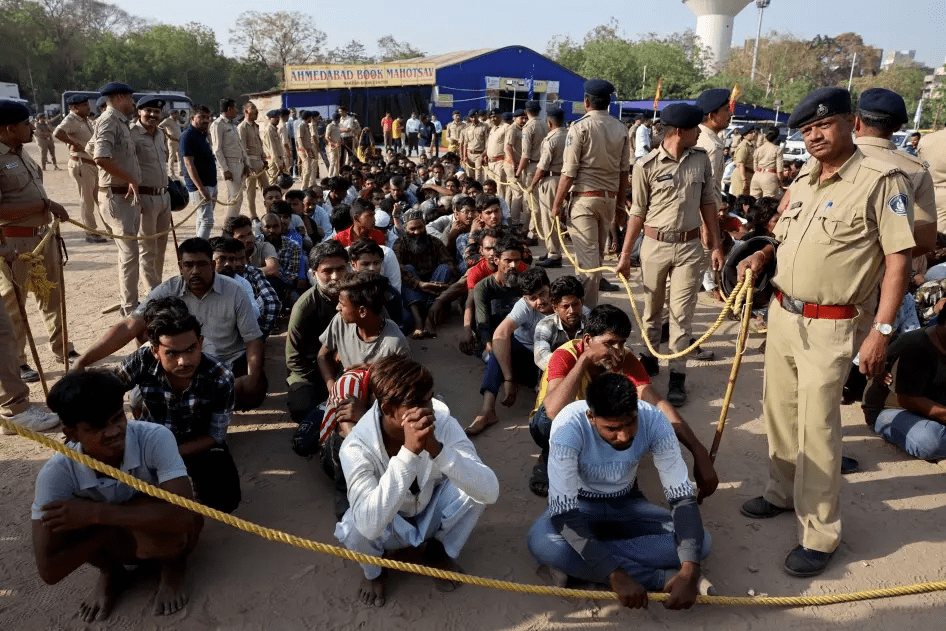
Citizenship checks are not new in India, but they remain emotionally charged. They intersect with identity, belonging, and fear of exclusion.
In this context, even symbolic actions matter. A gesture that appears mocking or arbitrary can deepen mistrust, especially in vulnerable communities.
The viral video Indian controversy highlights how easily a routine exercise can spiral into a credibility crisis.
What Verification Drives Typically Involve
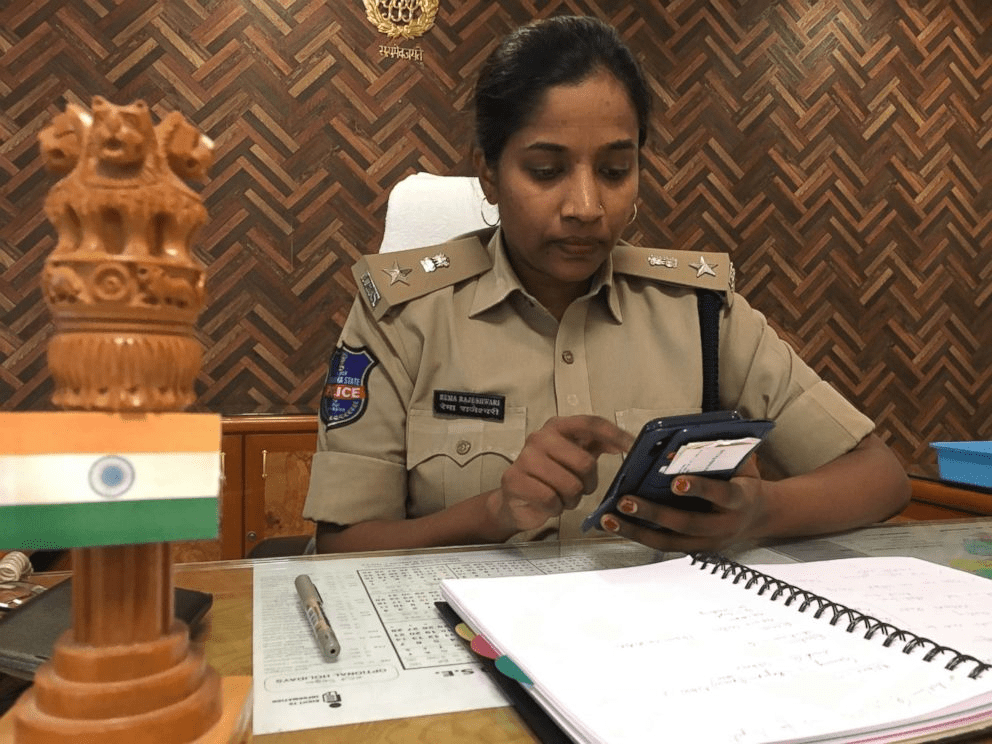
Standard verification procedures usually rely on:
- Document checks
- Address confirmation
- Database verification through official systems
None of these require theatrical gestures or misleading claims about technology.
The Role of Police Communication
One striking aspect of this incident is the absence of an official clarification from the Ghaziabad police. Silence, in such cases, often amplifies speculation.
Clear communication could have addressed:
- Whether the act was a joke or misunderstanding
- Whether officers were trained for this exercise
- Whether corrective steps were being considered
Without this, the viral video Indian narrative continues to define public perception.
Impact on Police Credibility
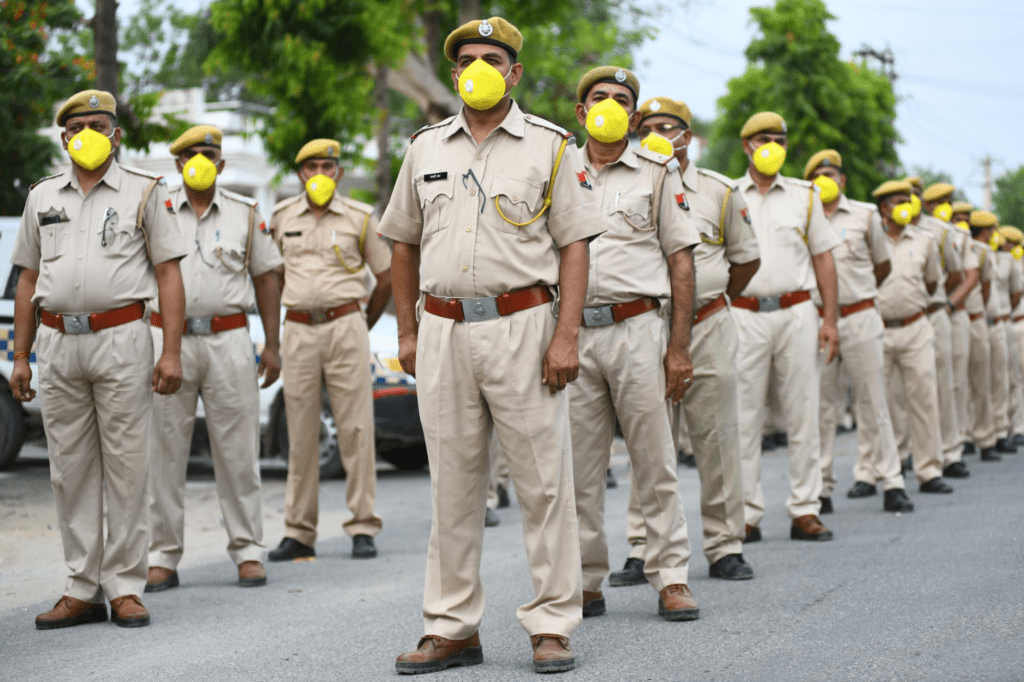
Law enforcement authority rests not only on power but on perceived fairness and competence. When actions appear unprofessional, credibility erodes quickly.
This episode has become less about one officer and more about systemic accountability. People are not just laughing. They are questioning.
Does policing rely on fear, or on trust built through clarity and respect?
A Snapshot of Key Facts
| Aspect | Details |
| Location | Ghaziabad, Uttar Pradesh |
| Context | Citizenship verification drive |
| Viral Element | Phone pressed to backs like a scanner |
| Resident Response | Documents shown, no resistance |
| Official Clarification | Awaited |
The table underscores how limited verified information currently is, despite widespread attention.
Why This Viral Video Will Not Fade Quickly
The viral video Indian incident resonates because it blends humour with discomfort. It is easy to mock, but hard to dismiss. It reflects how quickly authority can appear arbitrary when not grounded in clear procedure.
More importantly, it shows how citizens today document and question power in real time. Cameras do not just record events. They reshape accountability.
Administrative Accountability and Internal Review
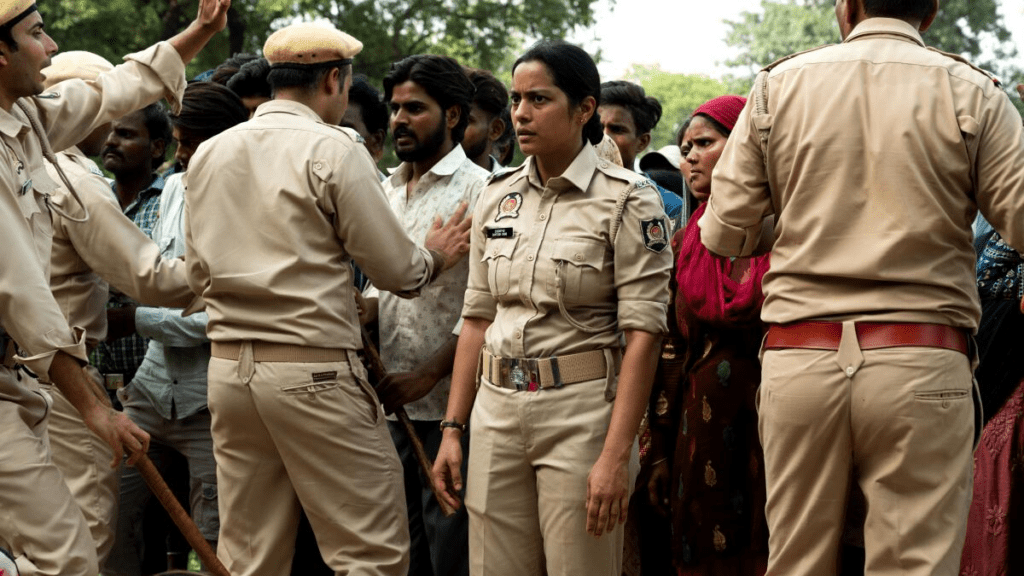
One unresolved dimension of the viral video Indian episode is internal accountability. Verification drives are planned exercises, not spontaneous actions. That raises questions about supervision on the ground.
If officers were joking, it points to poor judgment during a sensitive task. If they believed the act was acceptable, it signals gaps in training. In either case, internal review becomes unavoidable.
Accountability mechanisms typically involve:
- Reporting by the Station House Officer
- Review by senior district officials
- Clarification on approved verification protocols
Without visible corrective steps, public confidence weakens further.
Technology Myths and Public Misinformation
The suggestion that a mobile phone scan could reveal nationality reflects a dangerous misunderstanding of technology. There is no system that identifies citizenship by touching a phone to someone’s back.
Yet such claims can intimidate residents who may not question authority. The viral video Indian moment exposes how easily misinformation can be weaponised through uniforms and tone.
Technology in policing must be:
- Clearly explained
- Scientifically valid
- Used with consent and transparency
Anything else risks turning tools into theatre.
Psychological Impact on Local Communities
Beyond online debate, the incident left an impression on those present. Even without threats, symbolic acts can create fear or embarrassment.
For families who have lived in the area for decades, being “scanned” as outsiders cuts deep. One resident summed it up quietly. We showed our papers, but it did not feel respectful.
That emotional residue matters. Policing is not only about enforcement, it is about reassurance.
Media, Virality, and Instant Judgment
The speed at which the clip spread demonstrates how quickly local actions become national stories. A single viral video Indian clip can overshadow broader police work overnight.
This creates pressure on institutions, but it also forces transparency. Cameras, once seen as threats, now act as accountability tools.
However, virality also simplifies complex situations. What begins as criticism can slide into ridicule, distracting from serious reform discussions.
How does one separate laughter from legitimate concern?
Lessons for Law Enforcement Practices
This episode offers clear lessons for agencies conducting public verification exercises.
Key takeaways include:
- Clear explanation of procedures before checks begin
- Strict avoidance of jokes or theatrics
- Respectful physical distance and communication
- Immediate clarification when confusion arises
These are not new principles. They are reminders.
The Silence That Fuels Speculation
As days pass without official explanation, speculation fills the gap. Silence is rarely neutral in such cases.
An early statement could have:
- Acknowledged public concern
- Clarified intent and method
- Outlined corrective measures if needed
Instead, the viral video Indian narrative continues to circulate without closure.
Why This Incident Reflects a Larger Shift
This story is not only about one verification drive. It reflects a broader shift where citizens expect professionalism, clarity, and dignity from institutions.
People no longer accept vague authority. They ask questions. They record. They share.
When power meets a camera, intent alone is not enough. Perception becomes reality.
What Comes Next
Whether this incident leads to reform or fades into online memory depends on institutional response. For now, it stands as a cautionary tale.
A small gesture, poorly judged, can undermine months of community trust. And once trust slips, rebuilding it takes far more effort than a simple explanation would have required.
That is the real lesson behind this viral video Indian moment.