
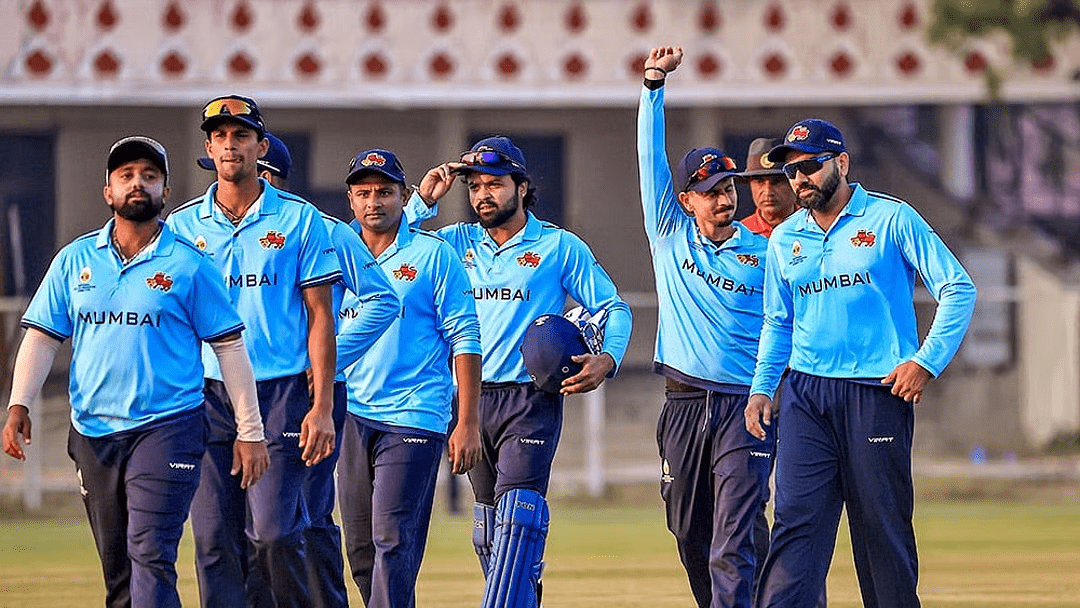
Mumbai entered the Vijay Hazare Trophy quarterfinal against Karnataka with momentum, confidence, and a batting unit in peak rhythm. That balance shifted sharply before the first ball was bowled. The absence of Sarfaraz Khan and Tushar Deshpande turned a high-stakes knockout into a test of depth and adaptability.
For followers tracking Sarfaraz Khan news, the development came as a surprise. The tournament’s most destructive batter this season was suddenly unavailable, forcing Mumbai to rethink plans at the last possible moment. In knockout cricket, timing matters as much as form, and this disruption arrived at the worst stage.
What Went Wrong Before the Quarterfinal
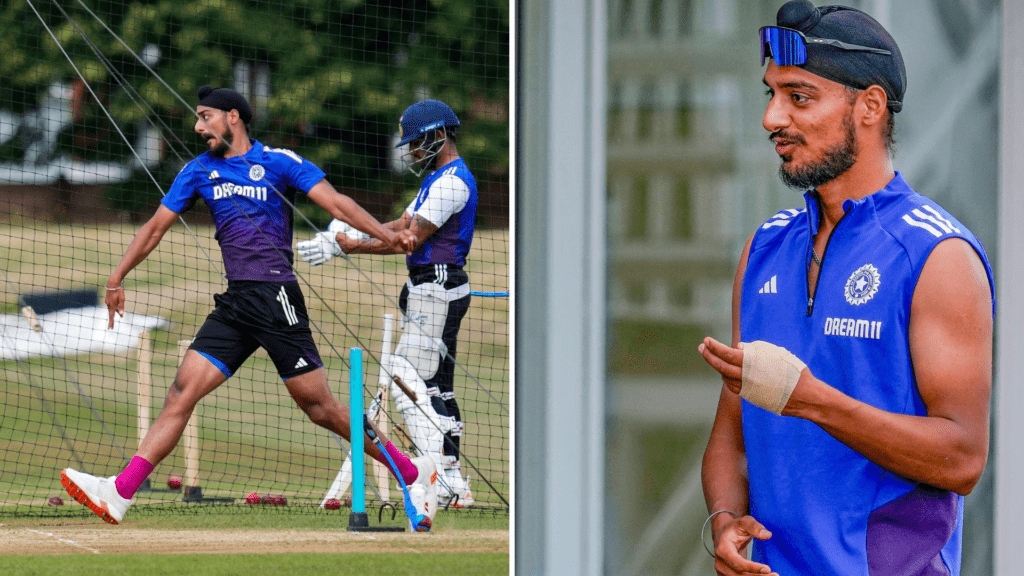
Mumbai’s preparation for the Vijay Hazare Trophy clash was smooth until a net session changed the narrative. Sarfaraz Khan suffered a finger injury after being struck by a delivery while batting in the nets, ruling him out of the crucial match.
The injury was not part of match play but occurred during routine preparation. That detail adds to the frustration for Mumbai’s support staff and fans alike. Losing a key batter in such circumstances shifts the psychological balance instantly.
At the same time, pacer Tushar Deshpande had to leave the squad due to a family emergency, further thinning Mumbai’s resources.
Sarfaraz Khan’s Impact in This Vijay Hazare Trophy Season
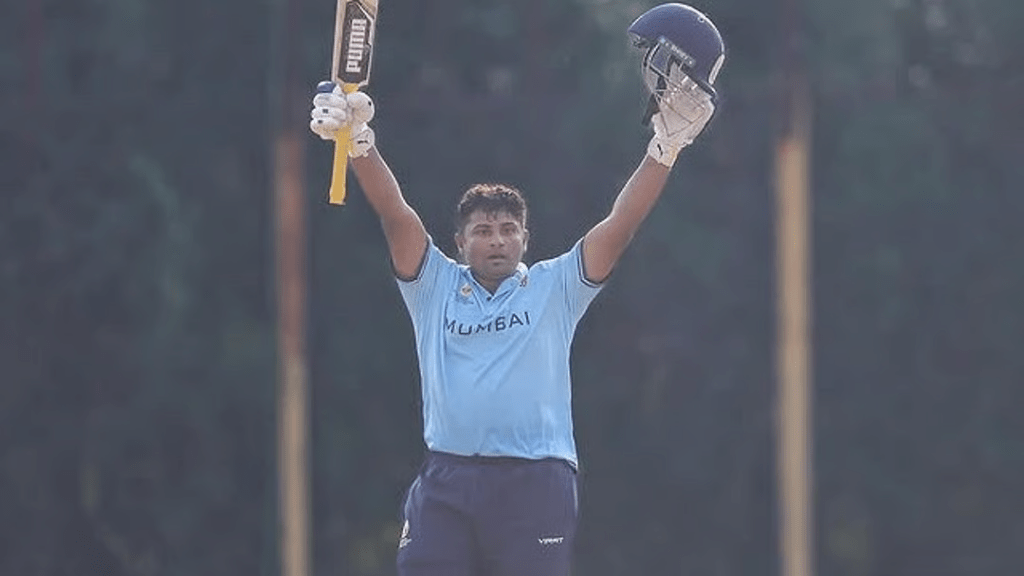
Few players have dominated a domestic season the way Sarfaraz Khan has in this Vijay Hazare Trophy. His numbers do not just stand out, they redefine tempo in List A cricket.
Across six matches, Sarfaraz Khan accumulated:
- 303 runs
- An average of 75.75
- A strike rate of 190.56
- A highest score of 155 off just 75 balls
These figures made him Mumbai’s leading run-scorer by a wide margin. More importantly, they shaped how opposition teams planned their bowling.
Record-Breaking Knock Against Punjab
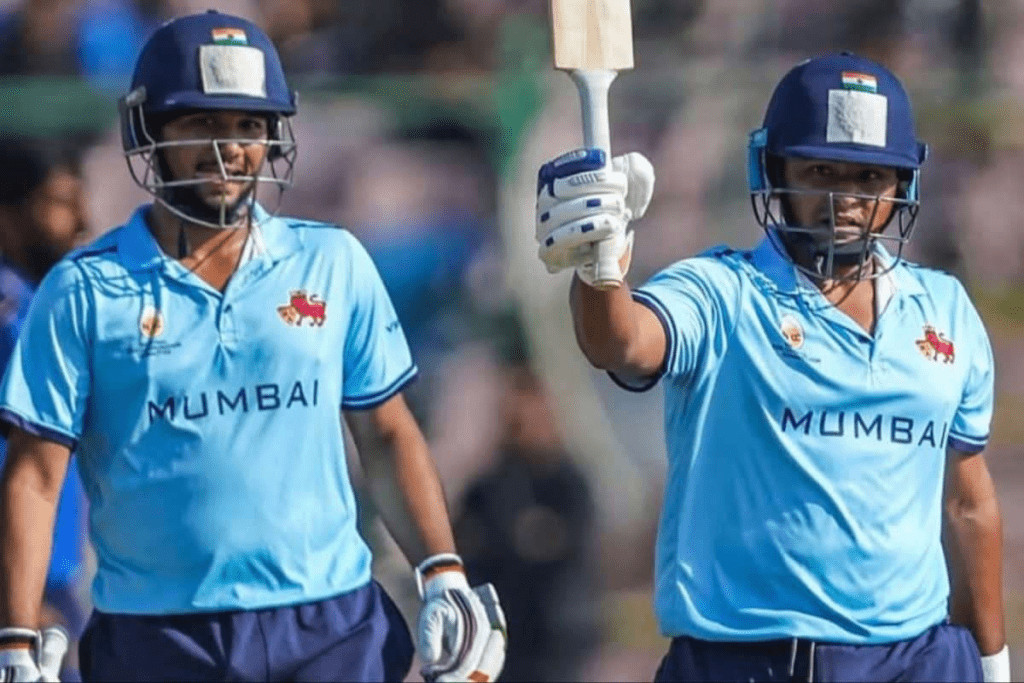
The highlight of Sarfaraz Khan news this season was his astonishing 15-ball fifty against Punjab. It was the fastest by an Indian in List A cricket, a statistic that underlined his fearless approach.
That innings was not an outlier. It reflected a batter fully in control of his game, capable of accelerating without losing shape. Removing such a player from a knockout fixture changes everything.
The Tactical Hole in Mumbai’s Line-Up
Without Sarfaraz Khan, Mumbai lost more than runs. They lost flexibility. His presence allowed others to bat around him. His absence forces responsibility onto less experienced shoulders.
In response, opener Ishan Mulchandani was drafted into the playing XI. Mumbai began cautiously, reaching 27 without loss in the eighth over after Karnataka chose to field.
That measured start highlighted the contrast. With Sarfaraz Khan, Mumbai often attacked early. Without him, risk management took precedence.
Pressure on the Middle Order
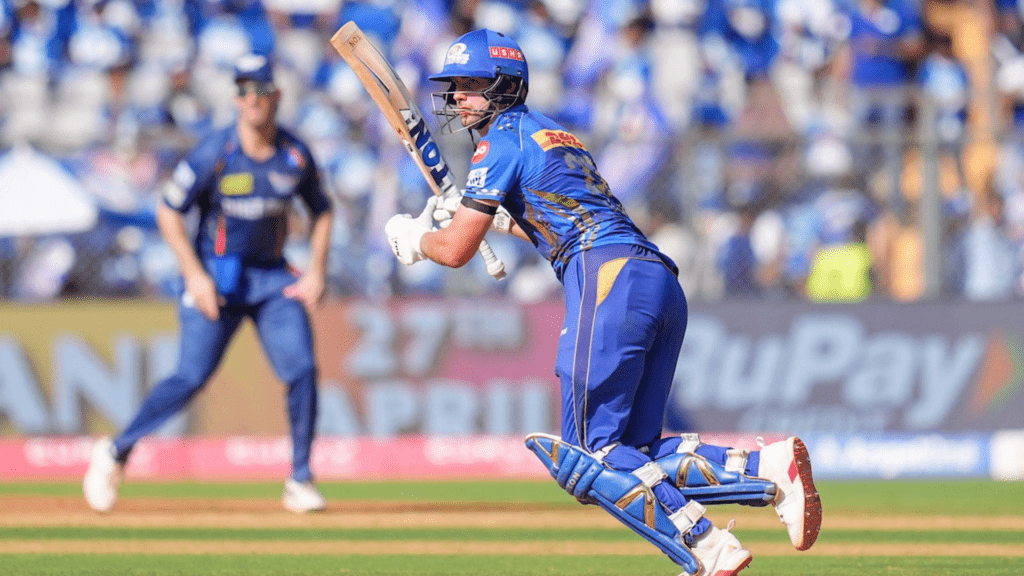
The middle order now faced dual responsibility:
- Stabilise the innings if early wickets fell
- Compensate for lost strike rate
This shift alters how Mumbai approach the Vijay Hazare Trophy knockout phase, especially against disciplined bowling attacks.
Tushar Deshpande’s Absence Adds to the Strain
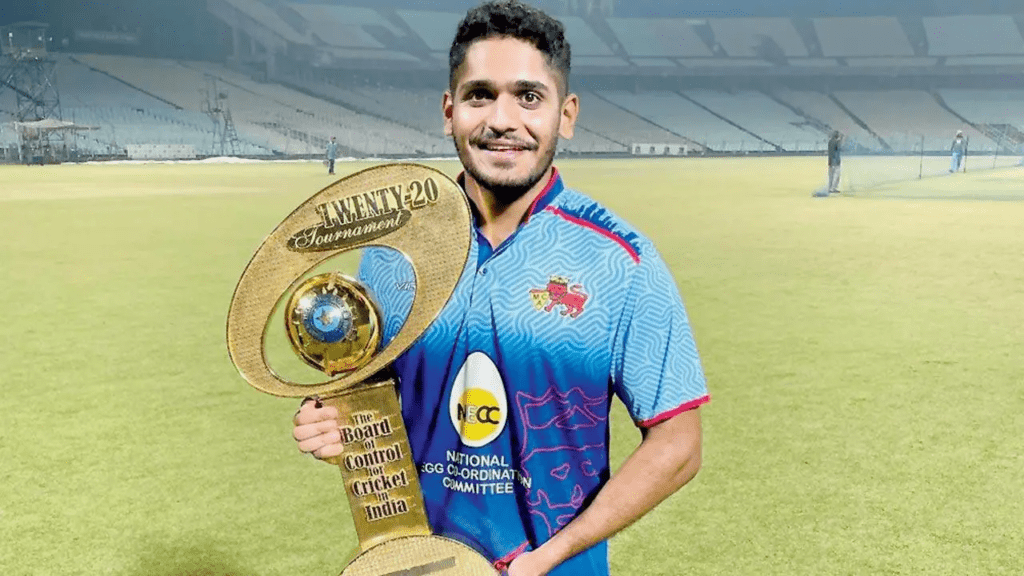
While Sarfaraz Khan news grabbed headlines, Tushar Deshpande’s absence quietly weakened Mumbai’s bowling depth. Deshpande returned to Mumbai after his wife was admitted to hospital ahead of childbirth.
From a cricketing perspective, his numbers were modest:
- Five wickets in six matches
- Economy under pressure in parts
Yet in knockout games, experience matters. Deshpande’s absence reduced Mumbai’s options during middle overs.
There remains a possibility of his return if Mumbai progress further, but uncertainty clouds planning.
Karnataka Sense an Opening
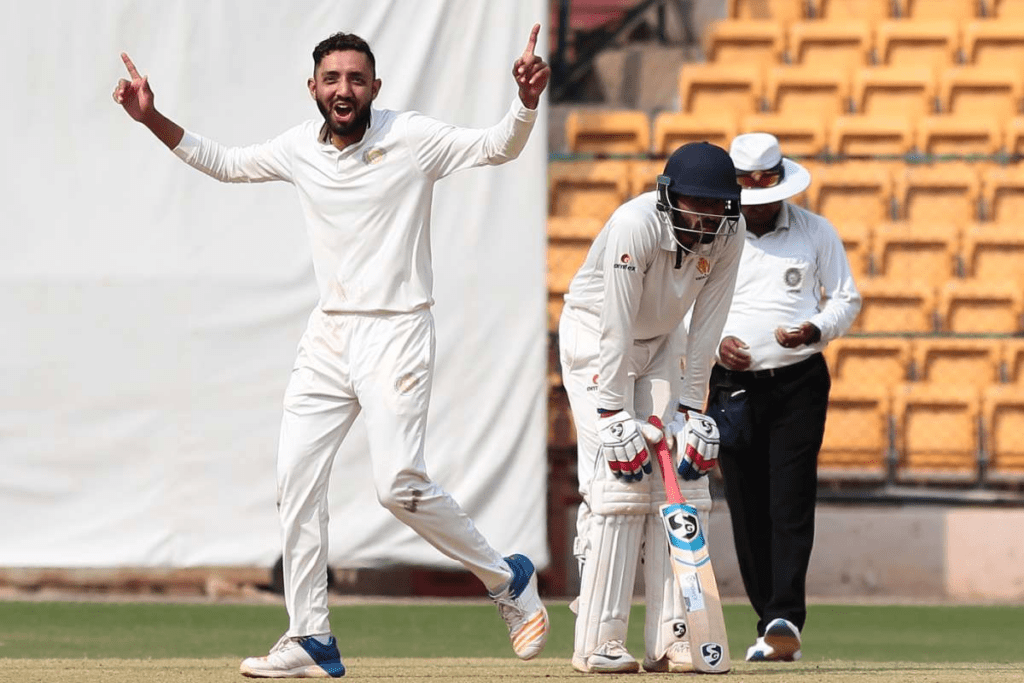
For Karnataka, the developments changed the complexion of the contest. Facing Mumbai without Sarfaraz Khan in the Vijay Hazare Trophy is a different challenge altogether.
Bowling plans could now focus on:
- Containing openers without fear of immediate acceleration
- Attacking the middle order earlier
- Using match-ups more aggressively
Momentum in knockouts often swings on such late changes. Karnataka understood that opportunity rarely knocks twice.
Broader Implications for Sarfaraz Khan
Beyond this match, Sarfaraz Khan news raises questions about workload and injury management. His explosive style demands physical intensity, even in training sessions.
Domestic cricket offers limited recovery windows. When form peaks, schedules tighten. The balance between preparation and protection becomes critical.
Is Indian domestic cricket doing enough to safeguard its most valuable performers?
Mumbai’s Test of Character
Mumbai’s history in the Vijay Hazare Trophy is built on resilience. This quarterfinal now becomes a character test rather than a formality.
Key challenges ahead include:
- Rebuilding batting rhythm without their star
- Managing bowling rotations carefully
- Maintaining belief under pressure
Such moments define teams as much as titles do.
Adjusting Strategy Without Sarfaraz Khan

Once Sarfaraz Khan was ruled out, Mumbai’s think tank had to recalibrate quickly. In the Vijay Hazare Trophy, knockouts do not allow time for gradual adjustment. Plans must shift instantly, often between warm-up and toss.
The absence of Sarfaraz Khan removed Mumbai’s primary accelerator. His role was not only to score runs but to dictate tempo. Without him, the batting order leaned toward stability rather than aggression.
This adjustment forced Mumbai to:
- Extend the role of openers deeper into the innings
- Delay power-hitting phases
- Protect wickets longer than usual
Such recalibration demands discipline, especially under scoreboard pressure.
Ishan Mulchandani’s Opportunity Under Spotlight

Ishan Mulchandani’s inclusion was more than a replacement. It was a statement of trust. In domestic cricket, opportunities often arrive unexpectedly, and this was one such moment.
Batting without early risk, Mulchandani focused on time at the crease. His approach contrasted sharply with the Sarfaraz Khan template, but it served a purpose. Mumbai needed presence more than fireworks in the opening phase.
For younger batters watching Sarfaraz Khan news unfold, this match reinforced a familiar lesson. When stars fall, responsibility shifts instantly.
Bowling Balance and the Deshpande Factor
Tushar Deshpande’s departure created subtle but important complications. While his wicket tally was not dominant, his role in rotation mattered.
Mumbai’s bowling strategy now depended heavily on:
- Accurate new-ball spells
- Holding lines through the middle overs
- Minimising release shots without express pace options
In the Vijay Hazare Trophy format, where batting depth is common, even a single missing bowler can tilt match-ups. Karnataka’s batters were aware of this gap.
Mental Pressure in Knockout Cricket
Knockout matches magnify absence. Every dot ball, every misfield, every misjudged run becomes heavier when key players are missing.
Mumbai’s dressing room faced a familiar but uncomfortable question. Can process overcome personnel?
For teams with championship pedigree, this question often defines eras. Mumbai’s response in this Vijay Hazare Trophy fixture was as much psychological as tactical.
The presence of senior players helped steady nerves, but the void left by Sarfaraz Khan remained central to every decision.
What This Means for Mumbai’s Campaign
Regardless of the outcome, this match reshapes Mumbai’s tournament narrative. If they progress, it will be seen as resilience. If they fall, the absence of Sarfaraz Khan will dominate post-match analysis.
From a broader lens, Mumbai’s campaign highlights:
- The fragility of knockout formats
- The cost of last-minute injuries
- The importance of adaptable squad depth
Such realities define domestic tournaments as much as individual brilliance.
Sarfaraz Khan and the Bigger Picture
Sarfaraz Khan news does not end with this quarterfinal. His form across the Vijay Hazare Trophy reinforces his status as one of domestic cricket’s most impactful batters.
Yet moments like this underline a parallel truth. Availability is as critical as ability. Managing training loads, recovery, and injury risk becomes essential when form peaks.
For selectors and coaches observing closely, this season offers both affirmation and caution.
Why This Match Will Be Remembered
This Vijay Hazare Trophy quarterfinal will not be remembered solely for runs or wickets. It will be recalled for what Mumbai lacked and how they responded.
Matches shaped by absence often reveal character more clearly than those driven by dominance. They expose systems, leadership, and adaptability under stress.
For fans following Sarfaraz Khan news, the frustration is understandable. For Mumbai, the lesson is unavoidable.
Can structure compensate when brilliance is unavailable? That answer defines champions.
Takeaway From the Vijay Hazare Trophy Clash
The Vijay Hazare Trophy continues to remind teams that momentum is fragile. One injury, one emergency, one disrupted net session can change everything.
Mumbai arrived as favourites. They found themselves searching for balance. Karnataka sensed opportunity. The contest became a test of depth rather than firepower.
Such matches rarely offer comfort. They offer clarity.