
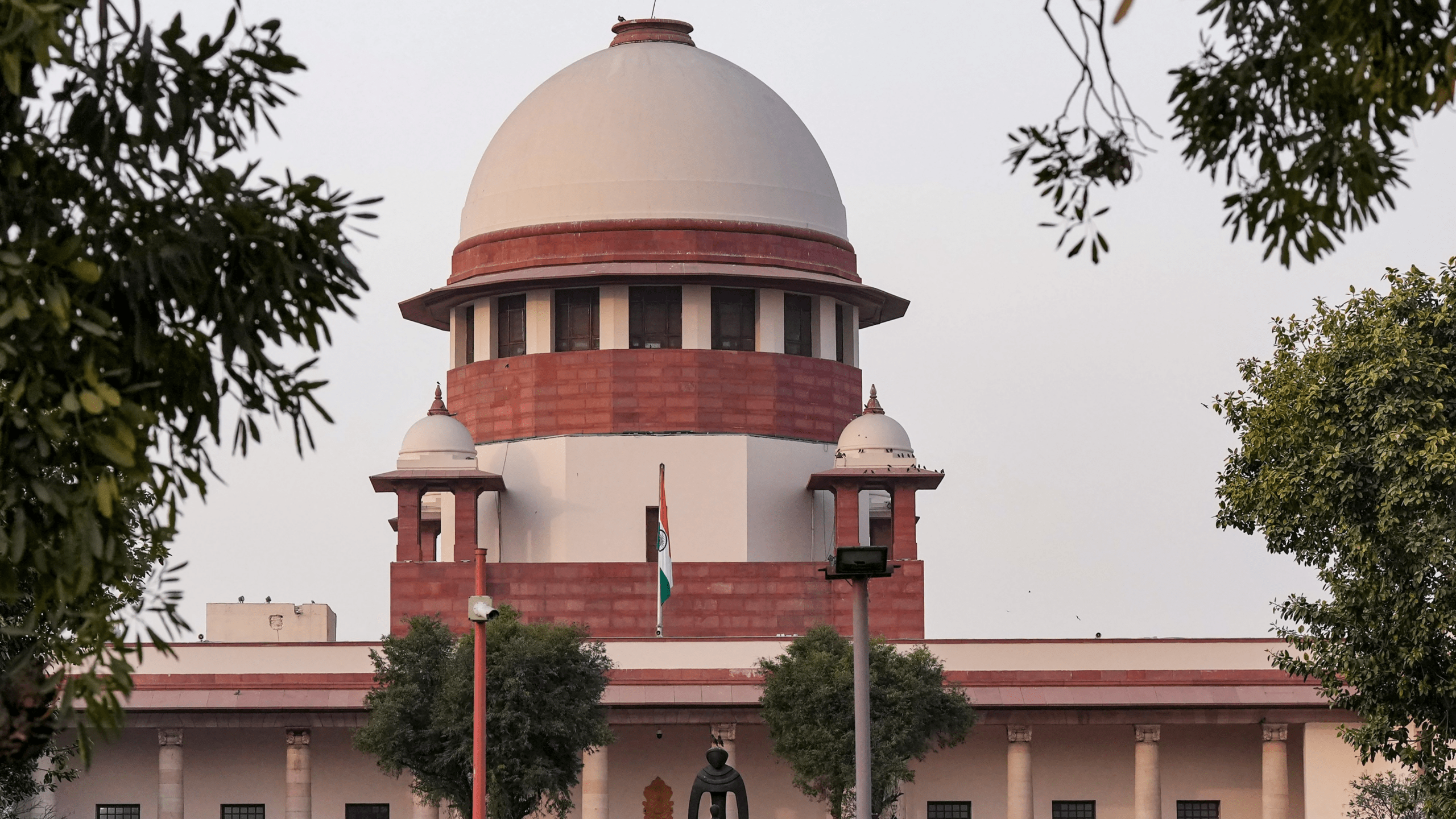
The sonam raghuvanshi news cycle has intensified after a court once again rejected her bail plea in the high-profile murder case of Raja Raghuvanshi. With the Shillong police filing a detailed charge sheet and naming Sonam as the primary accused, the case has entered a decisive legal phase. Each development now carries weight, not only for the investigation but also for public understanding of what unfolded during what was meant to be a honeymoon.
For the Raghuvanshi family, the rejection of bail reinforces their belief that justice is moving, even if slowly. For investigators, the filing of the charge sheet signals that evidence has reached a stage where custodial scrutiny remains necessary. “Sach ko samay lagta hai, par bahar aata zaroor hai,” a family member remarked privately, reflecting the mood around the case.
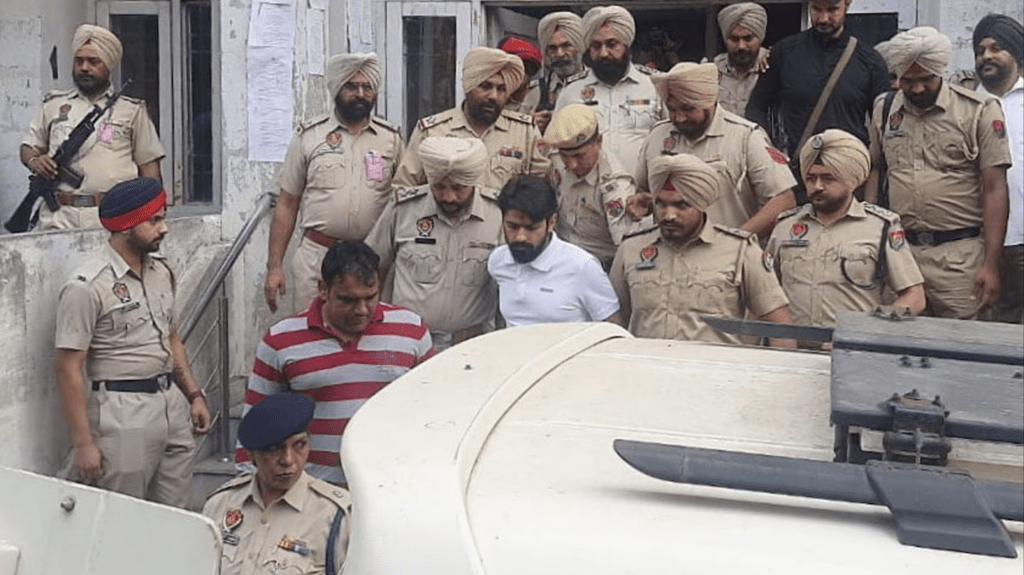
Bail Rejection and the Legal Turning Point
The court’s decision to deny bail to Sonam Raghuvanshi for the third time marks a crucial moment. Bail hearings often indicate how a court views the strength of an investigation at a given stage.
Why Bail Was Denied Again
According to legal observers, the rejection stems from two key factors:
- The charge sheet formally names Sonam as the main accused
- The investigation is still considered sensitive and incomplete in scope
Courts typically exercise caution when allegations involve conspiracy and close personal relationships. In this case, the prosecution has argued that releasing Sonam could affect witness testimony and the integrity of evidence.
Impact of the Charge Sheet
The filing of the charge sheet has shifted the focus from speculation to documented claims. Investigators have outlined a sequence of events that, in their view, links Sonam Raghuvanshi directly to the murder of Raja Raghuvanshi. With this step, the case transitions from investigation-led inquiry to trial-oriented scrutiny.
Sonam Raghuvanshi Named as Main Accused
The charge sheet submitted by Shillong police places Sonam Raghuvanshi at the centre of the alleged conspiracy. This formal designation carries legal and symbolic significance.
Allegations Outlined by Police
While the full charge sheet has not been made public, authorities have indicated that it includes:
- Details of Sonam’s movements before and after the murder
- Alleged coordination with Raj Kushwaha
- Circumstantial evidence suggesting prior planning
These elements form the backbone of the prosecution’s case and explain why bail has been repeatedly denied.
A Case Moving Into Trial Phase
Once a charge sheet is filed, the scope of defence changes. Sonam raghuvanshi news now revolves less around investigation updates and more around how the evidence will stand in court. This shift raises stakes for both sides.
Raja Raghuvanshi’s Family Speaks Out
The strongest public responses have come from Raja Raghuvanshi’s immediate family. His brother, Vipin Raghuvanshi, has openly questioned Sonam’s version of events, calling her claims of innocence difficult to accept.
Questions Raised by the Brother
Vipin Raghuvanshi has pointed to several actions that, in his view, contradict Sonam’s statements:
- Handing over personal belongings to Raj Kushwaha before the honeymoon
- Not returning to her in-laws’ home after Raja’s death
- Travelling from Shillong to Indore without seeking help
For the family, these points suggest intent rather than coincidence.
The Mask of Happiness Argument
Vipin also questioned Sonam’s portrayal of marital happiness. He alleged that her cheerful presence during wedding rituals masked deeper issues. According to him, the choice of honeymoon destination itself was unusual, as Raja allegedly did not want to travel there.
“Har muskaan sach nahi hoti,” he said, capturing the family’s sense of betrayal.
Conduct After the Murder Under Scrutiny

Post-crime behaviour often becomes central in criminal cases, and this one is no different. Sonam Raghuvanshi’s actions after Raja Raghuvanshi’s death have become a focal point of discussion.
Journey From Shillong to Indore
One of the most troubling questions raised by the family is why Sonam did not seek help during her journey if she was truly held captive, as she has claimed.
From a public perspective, this raises difficult but necessary questions:
- Why no attempt to contact authorities?
- Why no outreach to Raja’s family?
- Why immediate refuge with Raj Kushwaha?
These unanswered points continue to fuel doubt.
Relationship With Raj Kushwaha
Sonam’s assertion that Raj Kushwaha was like a brother has been challenged sharply by the Raghuvanshi family. Both Vipin and Raja’s father have questioned why she would hide with someone she claims to view as family.
The nature of this relationship is now a key investigative thread.
Father’s Demand for Strict Punishment
Raja Raghuvanshi’s father, Ashok Raghuvanshi, has taken a firm public stand. He has demanded the harshest possible punishment, reflecting the family’s loss and anger.
Allegations of a Long-Term Relationship
Ashok Raghuvanshi has alleged that Sonam Raghuvanshi and Raj Kushwaha were in a relationship for nearly three years. If proven, this claim could significantly alter how the case is viewed in court.
For him, the question remains blunt: if Raj was merely a brotherly figure, why did Sonam flee with him?
Waiting for Justice
With bail denied and the charge sheet filed, the family says they are prepared for a long legal battle. Their focus, they insist, is justice for Raja Raghuvanshi, not media attention.
Investigation Enters a निर्णायक Phase
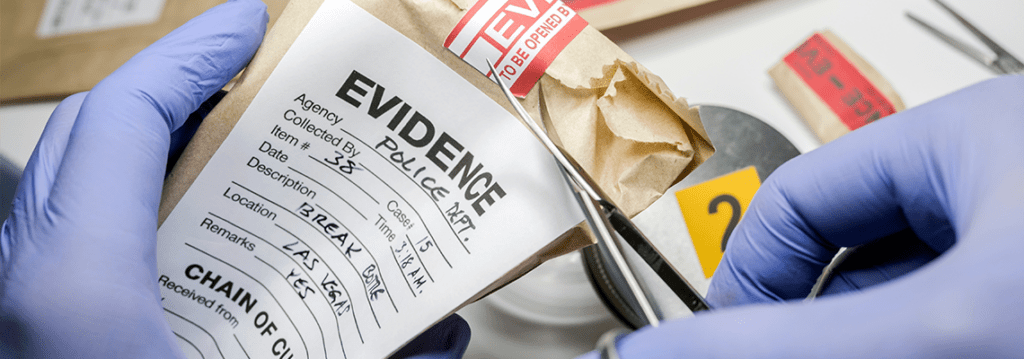
With the charge sheet filed, the Raja Raghuvanshi case has moved into a phase where evidence will be tested, not just narrated. For prosecutors, this stage is about coherence and credibility. For the defence, it is about challenging intent and causality.
What the Charge Sheet Signals
A filed charge sheet narrows possibilities. It suggests investigators believe they have assembled a chain that can withstand cross-examination. In sonam raghuvanshi news updates, this shift has reduced speculation and increased focus on courtroom outcomes.
Key implications include:
- Framing of charges by the court
- Examination of listed witnesses
- Scrutiny of alleged conspiratorial links
Each step brings the case closer to adjudication.
Custodial Status and Legal Strategy
Repeated bail rejection indicates judicial caution. Courts often weigh flight risk, evidence tampering, and witness influence. In this case, the proximity of relationships and alleged planning appear central to the court’s stance.
The Role of Circumstantial Evidence

Criminal cases involving close relationships frequently rely on circumstantial proof. Here, the prosecution’s narrative depends on timelines, movements, and post-incident conduct.
Movement Patterns and Decisions
Investigators have highlighted choices made after the incident—where Sonam Raghuvanshi went, whom she contacted, and whom she did not. Such decisions, prosecutors argue, are inconsistent with claims of coercion.
Public questions persist:
- Why bypass immediate family contact?
- Why avoid authorities during transit?
- Why seek shelter with Raj Kushwaha?
Each question adds pressure to the defence narrative.
Relationship Dynamics Under Lens
The alleged relationship between sonam raghuvanshi and raj kushwaha is now a pivotal issue. Establishing its nature—familial, friendly, or romantic—could reshape motive assessment. Courts often look for corroboration beyond statements, including communication records and witness testimony.
Family Voices and the Weight of Grief
The Raghuvanshi family’s statements have been consistent and emotionally charged. While courts separate emotion from evidence, family accounts influence public understanding.
Brother’s Assertions Revisited
Vipin Raghuvanshi’s claims focus on preparation and concealment. He maintains that actions taken before and after the honeymoon suggest forethought. His insistence that belongings were handed over prior to departure continues to resonate in sonam raghuvanshi news discussions.
Father’s Demand and Public Sentiment
Ashok Raghuvanshi’s demand for strict punishment reflects both grief and conviction. His allegation of a multi-year relationship has intensified calls for thorough examination. In high-profile cases, such assertions often become catalysts for deeper inquiry.
What the Court Will Likely Examine Next

As proceedings advance, several elements are expected to dominate hearings.
Evidence Priorities
Courts typically prioritise:
- Consistency of witness statements
- Verifiable digital and travel records
- Forensic timelines and gaps
Any contradiction can shift momentum.
Defence Counterpoints
The defence is expected to challenge intent, argue alternative explanations for conduct, and question the completeness of the investigation. In cases like this, credibility battles can be decisive.
Public Attention and Media Responsibility
High-profile cases attract intense coverage. The challenge is to inform without prejudging. For readers following raja raghuvanshi developments, separating verified facts from inference remains essential.
Why the Case Resonates
The narrative—newlywed honeymoon, alleged betrayal, and a contested timeline—has amplified attention. Yet, the legal process demands patience.
Can justice be swift without being careless?
Case Timeline at a Glance
| Milestone | Status |
| Murder of Raja Raghuvanshi | Under judicial scrutiny |
| Arrest of Sonam Raghuvanshi | In custody |
| Bail Plea | Rejected thrice |
| Charge Sheet | Filed; Sonam named main accused |
| Trial Phase | Imminent |
This timeline anchors the current position of the case and clarifies what lies ahead.
The Road Ahead
As the court prepares to frame charges, the spotlight will move from statements to substantiation. For the prosecution, coherence must hold. For the defence, doubt must be introduced. For the family, the wait continues.
In the end, the sonam raghuvanshi news cycle will be judged not by volume but by verdict. Until then, the case stands as a reminder that truth in the legal system emerges through process, not proclamation.