
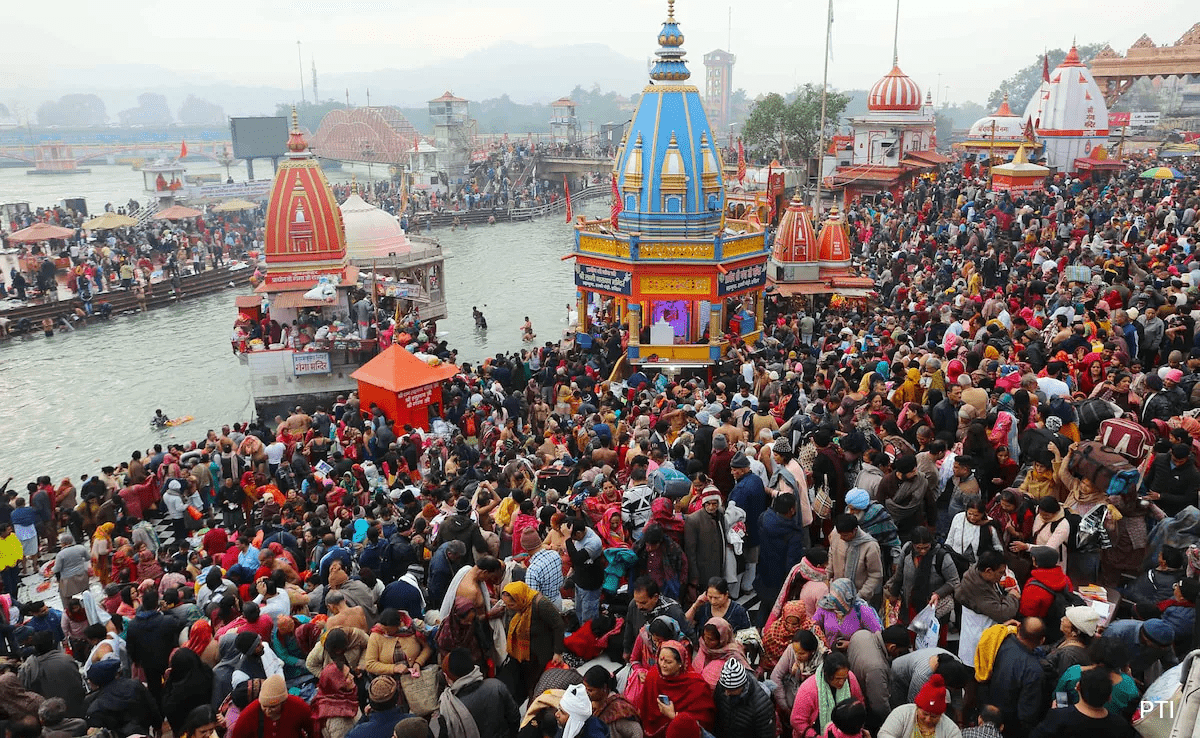
Makar Sankranti 2025 marks a crucial transition in the Hindu solar calendar, when the Sun enters the zodiac sign of Capricorn, or Makara. This astronomical shift is not symbolic alone; it defines the festival’s date, rituals, and regional observances. For many families, sankranti 2025 sets the tone for the year’s spiritual and agricultural cycle.
Questions such as when is sankranti in 2025 or whether makar sankranti in 2025 falls on January 14 or 15 surface every year. In 2025, the answer is precise and calendar-backed. The festival will be observed on 14 January 2025, a date confirmed by solar calculations and traditional panchang systems. Yeh din sirf tyohaar nahi, ek sankraman hai, jo prakriti aur jeevan dono ko jodta hai.
Why Makar Sankranti Is a Solar Festival
Unlike most Hindu festivals that follow the lunar calendar, makar sankranti 2025 date is determined by the Sun’s movement. This makes it one of the most astronomically consistent festivals in the Indian tradition.
The Sun’s Entry into Capricorn
Makar Sankranti occurs when the Sun transitions from Sagittarius into Capricorn. This moment is known as Makara Sankraman and defines the sankranti 2025 date.
- The Sun moves northward, beginning Uttarayan.
- Daylight hours gradually increase.
- The transition is linked to agricultural readiness.
Because this movement is solar, makar sankranti in 2025 does not shift widely across dates, unlike lunar festivals.
Uttarayan and Seasonal Change
Uttarayan is seen as a positive cosmic phase. In many traditions, it represents a journey toward clarity and growth. Farmers associate this phase with the end of harsh winter conditions and the start of a productive cycle.
Is it surprising that a single solar shift connects astronomy, farming, and faith so seamlessly?
Makar Sankranti 2025 Date Confirmed
The most searched question remains direct: when is sankranti in 2025? The answer is unambiguous.
Official Date and Day
Makar Sankranti 2025 will be celebrated on Tuesday, 14 January 2025. This confirms that the widely discussed 2025 sankranti date is not January 15.
Key confirmations include:
- 14 January 2025 is the correct sankranti 2025 date.
- The transition occurs in the morning hours.
- Rituals align with daytime observances.
This clarity matters, especially for households planning puja timings and regional ceremonies.
Punya Kaal and Maha Punya Kaal Timings
Auspicious timings play a central role in makar sankranti 2025 rituals. On 14 January 2025, the sacred windows are clearly defined.
- Punya Kaal: 9:03 AM to 5:46 PM
- Maha Punya Kaal: 9:03 AM to 10:48 AM
These periods are considered ideal for prayers, charity, and Surya worship. Bahut se log isi samay daan aur snaan ko sabse shubh maante hain.
Regional Names and Forms of Sankranti
While the solar event is uniform, its cultural expression varies across India. Sankranthi 2025 will look different depending on geography, language, and local customs.
Northern and Western India
In the north, the festival is widely known as Makar Sankranti. Kite flying dominates the skyline, especially in Gujarat and Rajasthan, where Uttarayan is a major public celebration.
Common elements include:
- Kite festivals and rooftop gatherings
- Til-gud sweets exchanged among families
- Community fairs and open markets
In Punjab and Haryana, the festival is observed as Maghi, carrying strong agrarian symbolism.
Southern and Eastern India
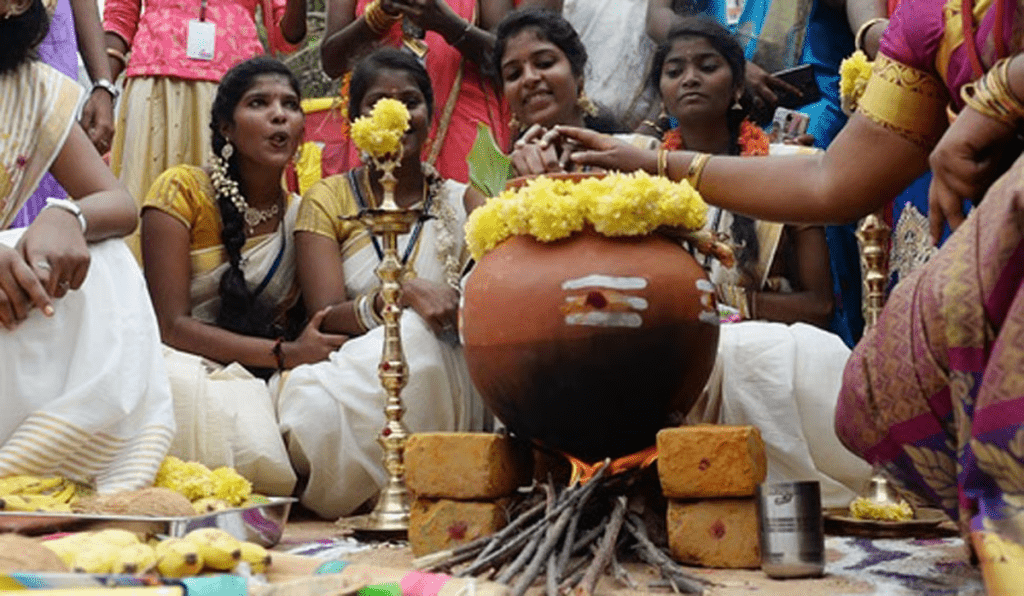
In Tamil Nadu, sankranthi 2025 aligns with Pongal, a multi-day harvest festival focused on gratitude to nature. Newly harvested rice becomes central to rituals and meals.
In Maharashtra, Andhra Pradesh, Telangana, Karnataka, Goa, and West Bengal, the festival is known as Poush Sankranti or simply Sankranti, with local variations in food and worship.
Same solar event, so many identities. Isn’t that the quiet strength of Indian tradition?
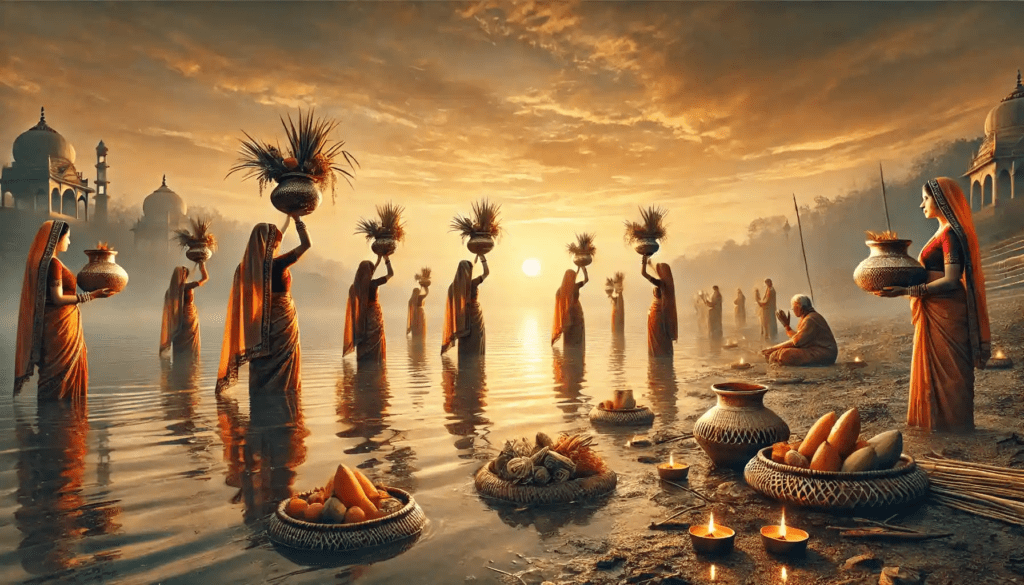
Spiritual Meaning Behind Makar Sankranti
Beyond dates and rituals, makar sankranti in 2025 carries deep philosophical meaning. The Sun’s northward journey is seen as a metaphor for inner movement.
Symbol of Renewal and Discipline
The festival is associated with:
- Letting go of negativity
- Beginning disciplined routines
- Seeking balance between material and spiritual life
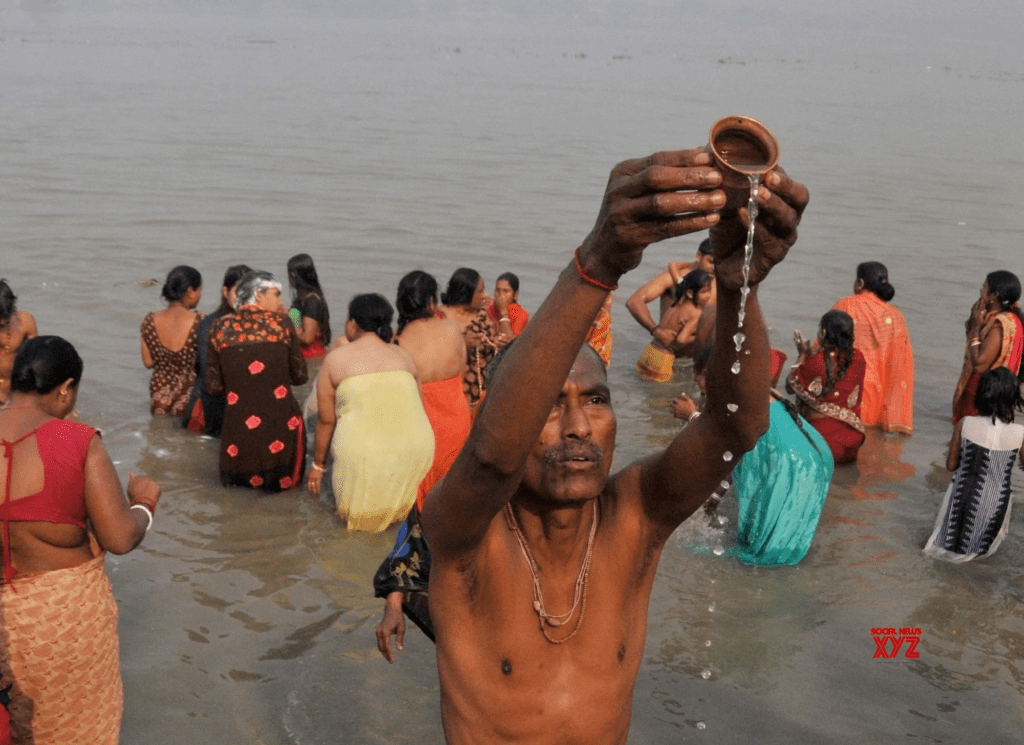
Surya, the Sun God, is worshipped as the source of life and order. Early morning baths and prayers are believed to cleanse both body and intent.
Light Over Darkness
The longer days following 14 January 2025 symbolise hope and progress. This is why makar sankranti 2025 is often linked with new resolutions, charitable acts, and reconciliation within families.
Kya yeh sirf tyohaar hai, ya ek naya drishtikon shuru karne ka mauka?
Traditional Foods of Sankranti 2025
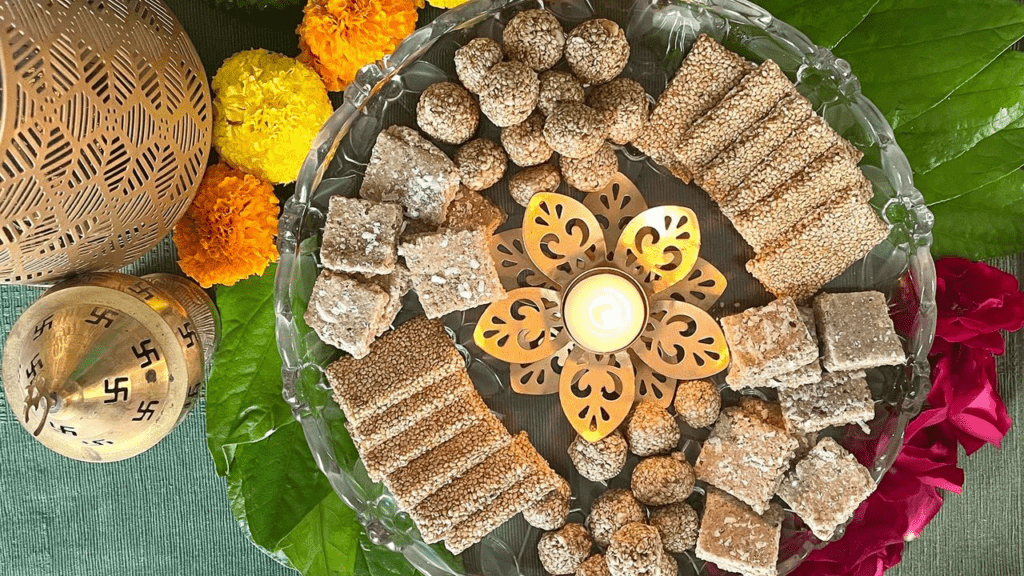
Food plays a central role in sankranti 2025 celebrations, reflecting seasonal produce and nutritional wisdom.
Sesame and Jaggery Combinations
Across regions, til and jaggery dominate Sankranti kitchens. These ingredients are valued for warmth and energy during winter.
Popular preparations include:
- Til ladoo
- Chikki and revdi
- Tilgul exchanged with the phrase of goodwill
The combination symbolises sweetness in speech and strength in relationships.
Regional Specialties
Different states highlight unique dishes during sankranthi 2025:
- Pongal made from fresh rice and lentils in Tamil Nadu
- Puran poli in Maharashtra, served with ghee
- Khichdi and rice-based dishes in eastern regions
Each dish reflects local harvest cycles while staying rooted in the same solar moment.
Key Timings and Observances at a Glance
| Occasion | Date and Time |
| Makar Sankranti | 14 January 2025 |
| Punya Kaal | 9:03 AM to 5:46 PM |
| Maha Punya Kaal | 9:03 AM to 10:48 AM |
This table helps families plan rituals, travel, and community events around the confirmed 2025 makar sankranti date.
Kite Flying and Community Traditions
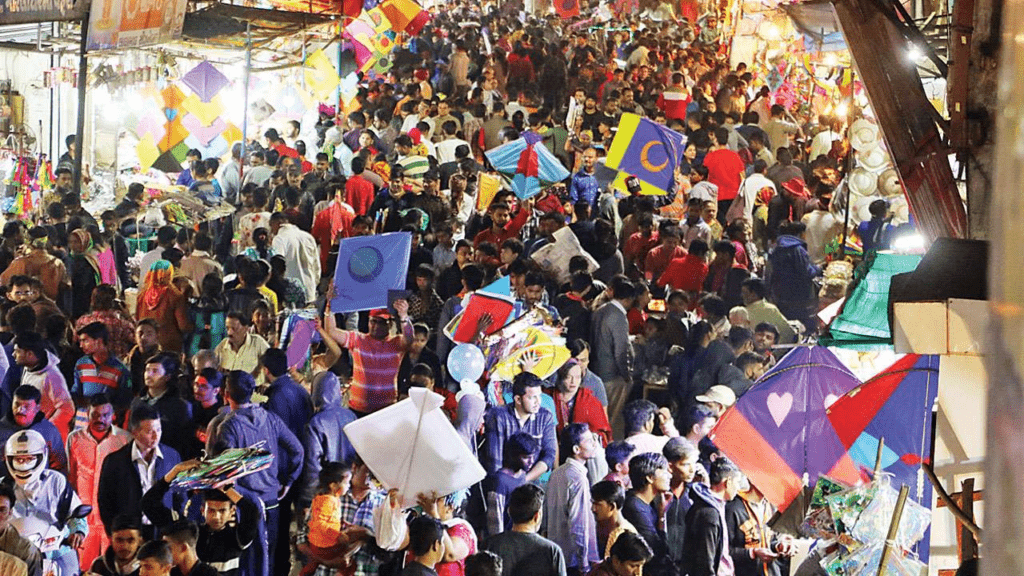
One of the most visible expressions of makar sankranti 2025 is kite flying. From early morning, rooftops turn into shared spaces where generations gather. The sky itself becomes part of the celebration, filled with colour, movement, and competition.
Cultural Meaning of Kite Flying
Kite flying during sankranti 2025 is not a casual pastime. It is linked to seasonal change and health practices.
- Exposure to sunlight after winter is encouraged.
- Physical activity improves circulation.
- Community bonding happens naturally.
In Gujarat, the festival is publicly branded as Uttarayan, while in Rajasthan and parts of Madhya Pradesh, kite battles are part of local folklore. Patang udaana sirf khel nahi, ek parampara hai jo logon ko jodti hai.
Social Gatherings and Shared Spaces
Makar sankranti in 2025 also highlights open homes and shared meals. Neighbours exchange sweets, elders bless children, and disputes are often set aside for the day. The festival creates a pause in routine life, even in fast-moving urban settings.
Charity, Daan, and Ethical Values
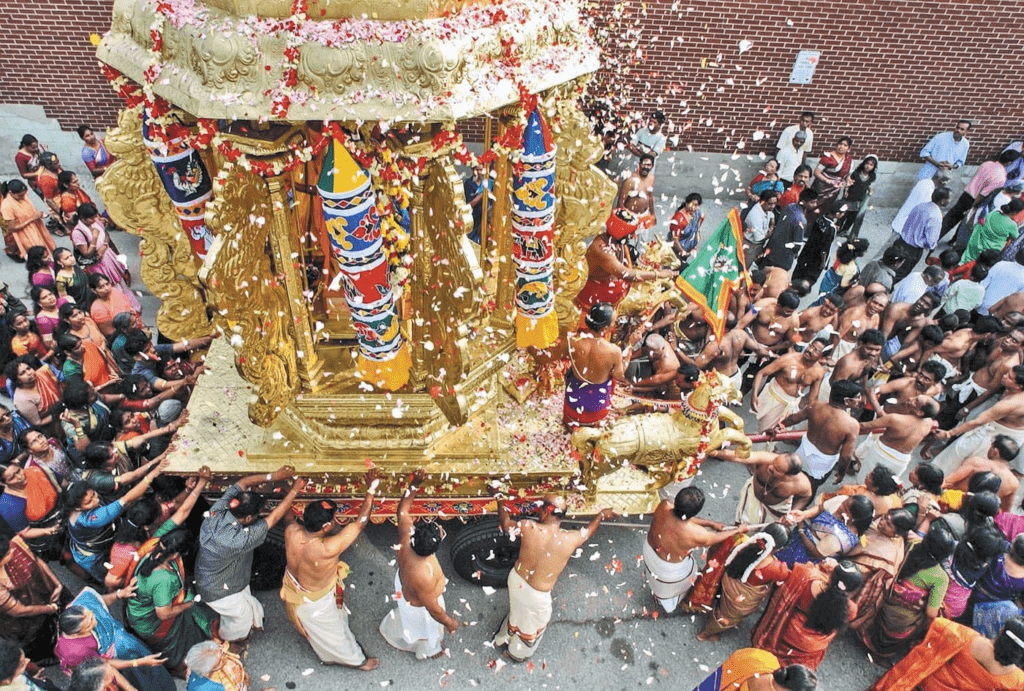
Charity is inseparable from sankranti 2025. The idea of giving on this day is rooted in the belief that generosity aligns one’s actions with the Sun’s positive movement.
Forms of Traditional Daan
On 14 january 2025, many households participate in acts of giving that include:
- Donating food grains and clothing
- Offering sesame, jaggery, and utensils
- Supporting temples and community kitchens
Such acts are seen as purifying and socially balancing. Daan ka maqsad sirf punya nahi, samajik zimmedari bhi hota hai.
Why Charity Is Central to the Festival
The solar shift into Capricorn is associated with discipline and responsibility. Charity reflects this mindset by encouraging conscious sharing rather than excess consumption.
Sankranti 2025 and the Agricultural Calendar
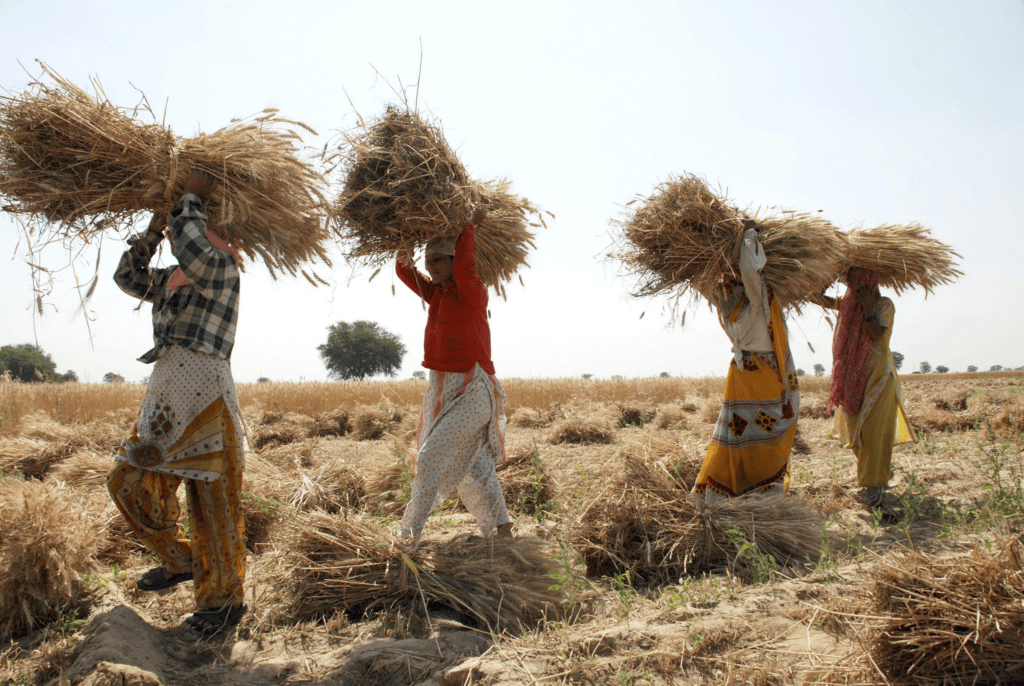
For farming communities, sankranthi 2025 is closely tied to harvest rhythms. The festival signals completion of one agricultural cycle and preparation for the next.
Harvest Symbolism Across Regions
Different crops dominate regional celebrations:
- Rice in the south during Pongal
- Sugarcane in western India
- Wheat and pulses in northern belts
The presence of fresh produce in rituals reinforces gratitude toward land and labour. This is why makar sankranti 2025 remains deeply relevant even today.
Farmer-Centric Observances
Bullock worship, field rituals, and community feasts are common in rural areas. These practices remind urban observers that the festival’s roots lie in agriculture, not abstraction.
Why Confusion About Sankranti Dates Happens
Every year, questions arise about sankranti 2025 date or whether it falls on January 14 or 15. The confusion is understandable but explainable.
Solar Timing vs Civil Calendar
The Sun’s exact entry into Capricorn can occur late at night or early morning. When the transition happens after sunset, the festival may be observed the next day in some calendars.
In 2025, however:
- The transition occurs in the morning.
- All major panchang systems align on January 14.
- There is no ambiguity around the 2025 sankranti date.
Regional Interpretations
Some regions extend celebrations over two days for cultural reasons, not astronomical ones. This does not change the core makar sankranti 2025 date.
Modern Celebrations and Urban Adaptations
Cities have reshaped how makar sankranti in 2025 is observed, without erasing its essence.
Urban Practices
In metropolitan areas, celebrations include:
- Housing society events
- Office gatherings with traditional sweets
- Kite festivals organised in public grounds
Even with limited space, symbolic rituals continue. Til aur gud ka exchange aaj bhi rishton ko meetha banata hai.
Digital and Media Influence
Social media has amplified the festival’s visibility. Messages, photos, and regional greetings circulate widely, allowing sankranti 2025 to feel collective even in isolated settings.
Sankranti 2025 for the Younger Generation
Younger Indians engage with the festival differently, but not indifferently.
Education and Cultural Awareness
Schools and colleges often use makar sankranti 2025 to teach:
- Basic astronomy through the Sun’s movement
- Cultural diversity across Indian states
- Food traditions and seasonal health
This approach keeps the festival relevant without diluting its meaning.
Continuity Through Adaptation
Traditions survive by adapting. Whether through simplified rituals or hybrid celebrations, sankranthi 2025 continues to pass values forward.
Makar Sankranti 2025
Makar Sankranti 2025 on 14 January 2025 stands at the intersection of science, faith, and society. It is precise in its solar logic, rich in cultural expression, and flexible in modern practice. From early morning rituals during Maha Punya Kaal to evening kite flights, the day unfolds with purpose.
As the Sun begins its northward journey, the festival quietly asks each participant a question: what should move forward, and what should be left behind?