

Maha Shivratri holds a unique place in the Hindu spiritual calendar. It is not a festival of outward celebration, but of inner discipline, night-long awareness, and quiet devotion. For millions of devotees, this night is about stillness, tapasya, and aligning the mind with Shiva consciousness.
As 2025 approaches, one question keeps returning across temples, homes, and digital forums: is Shivratri on February 26 or February 27? The confusion is real, and it comes from how lunar tithis intersect with civil calendar dates. Let us clarify the 2025 shivratri date with precision and context.
Understanding Shivratri and Its Spiritual Core

Maha Shivratri is dedicated to Lord Shiva, the force that dissolves illusion and resets cosmic balance. In Shaiva tradition, this night represents the victory over ignorance and inertia, replacing them with awareness and restraint.
The spiritual themes associated with Shivratri include:
- Inner silence and meditation
- Renunciation of excess and ego
- Balance between destruction and renewal
- Alignment of personal rhythm with cosmic cycles
In Indian households, elders often say, “Shivratri is not about noise, it is about जागरण,” meaning conscious wakefulness. This perspective shapes how rituals are observed across regions.
Why the Shivratri Date Changes Every Year
Unlike fixed Gregorian festivals, Shivratri follows the Hindu lunar calendar. It is observed on Chaturdashi Tithi of Krishna Paksha, the 14th day of the waning moon.
This creates yearly variation because:
- Lunar days begin and end at specific astronomical times
- Tithi boundaries often overlap two calendar dates
- Regional panchangs may interpret timing windows differently
As a result, the 2025 maha shivaratri date appears as two possible dates for many people reading different calendars.
Maha Shivratri 2025 Date: The Final Answer

For 2025, Maha Shivratri will be observed on Wednesday, February 26. This is the correct observance date followed across most of India.
The key ritual, Nishita Kaal Puja, which is the midnight worship of Lord Shiva, will take place after midnight, in the early hours of February 27. This overlap is the primary source of confusion.
To put it clearly:
- Fasting, vrat, and daytime observance: February 26
- Nishita Kaal Puja: Night of February 26 extending into early February 27
This alignment confirms the 2025 shivratri date as February 26 for religious observance.
Regional Calendar Perspectives Across India
India follows multiple regional lunar systems, which sometimes frame the festival differently without changing its essence.
North Indian Panchang System

In North India, Shivratri is observed in the month of Phalgun. Devotees rely on Krishna Paksha Chaturdashi as the deciding factor, making February 26 the accepted date.
South Indian Calendar Logic
Many South Indian calendars refer to Magh month calculations. Even here, the Chaturdashi Tithi governs the observance, keeping the vrat on February 26 despite midnight rituals falling on the next date.
This consistency ensures that 2025 maha shivaratri date remains uniform in practice.

Symbolism Behind the Night of Shiva
Why is Shivratri observed at night? The answer lies in yogic and cosmic symbolism.
According to Shaiva philosophy:
- The planetary alignment on Shivratri supports meditation
- The human spine is naturally more receptive at night
- Shiva represents stillness, which aligns with darkness
Legends also narrate that Lord Shiva performed the Tandava, the cosmic dance, on this night. Another widely told belief highlights the divine union of Shiva and Parvati, symbolizing harmony between masculine and feminine energies.
As one temple priest in Varanasi once told me, “दिन में पूजा कर्मकांड है, रात में साधना.” Day is ritual, night is sadhana.

Core Rituals Observed on Maha Shivratri
Despite regional variations, certain rituals remain consistent across India.
Day-Long Fasting and Discipline
Most devotees observe a strict fast starting before sunrise. The purpose is not denial, but mental clarity and restraint.
Common fasting practices include:
- Complete nirjala fast
- Fruit and milk-based fast
- Light sattvik vrat without grains
Abhishek of the Shiva Linga
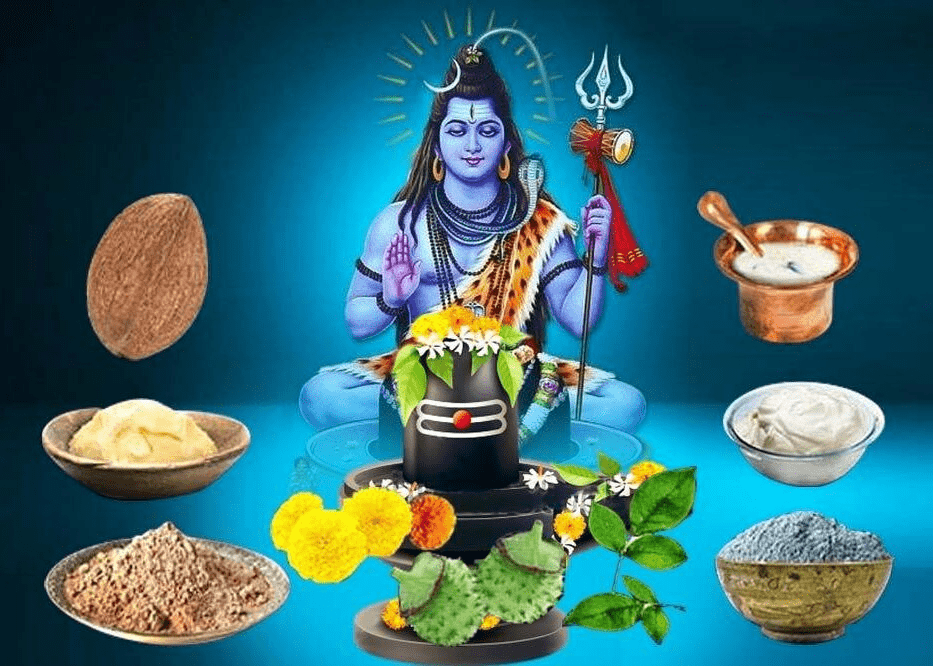
The Shiva Linga is worshipped through ritual bathing using sacred items:
- Milk
- Water from holy rivers
- Honey and ghee
- Bael leaves and flowers
Each offering carries symbolic meaning tied to purification and surrender.
Night Vigil and Chanting

Staying awake through the night is considered central to Shivratri. Devotees chant mantras, recite Shiva stories, or sit in silent meditation.
In many temples, four prahars of worship are conducted, dividing the night into spiritual phases.
Maha Shivratri 2025: Key Timings at a Glance
| Ritual Element | Date and Time |
| Shivratri Vrat | Wednesday, February 26, 2025 |
| Nishita Kaal Puja | 12:09 AM – 12:59 AM, Feb 27 |
| Fasting Break | Morning of February 27 |
| Chaturdashi Tithi Start | Feb 26 (daytime) |
| Chaturdashi Tithi End | Early hours of Feb 27 |
This table resolves the recurring question around the 2025 shivaratri date versus puja timing.
Food, Prasad, and Breaking the Fast

After the night-long vigil, devotees traditionally break the fast with a light sattvik meal. The focus remains on purity and simplicity.
Typical prasad includes:
- Fruits and dry fruits
- Kheer made without grains
- Sweets prepared from milk and jaggery
- Non-cereal dishes using vrat-approved ingredients
The act of eating is slow and mindful, reinforcing the discipline of the previous night.
Why Shivratri Resonates Beyond Ritual
Maha Shivratri is not limited to temple visits. It influences lifestyle, mindset, and personal discipline. Many professionals, students, and householders treat it as a reset point, stepping back from excess and noise.
Is it coincidence that this festival falls near the seasonal shift from winter to spring? Or does it reflect a deeper rhythm of renewal? That question keeps Shivratri relevant far beyond tradition.
Maha Shivratri and Modern Indian Society

In today’s India, Maha Shivratri has quietly adapted to modern routines without losing its depth. Offices may remain open, cities may stay awake for different reasons, yet the night still carries weight. Many professionals observe a symbolic fast, avoid distractions, or dedicate at least part of the night to reflection.
Across urban centres, temples now stream night-long abhisheks online, allowing devotees to stay connected even when physical presence is not possible. यह परंपरा बदली नहीं है, बस उसका माध्यम बदल गया है. The intention remains rooted in restraint and awareness.
For younger generations, Shivratri often becomes a moment to reconnect with cultural identity, especially those living away from home. It is one of the few festivals where silence speaks louder than celebration.
Maha Shivratri in Shaivism and Yogic Thought
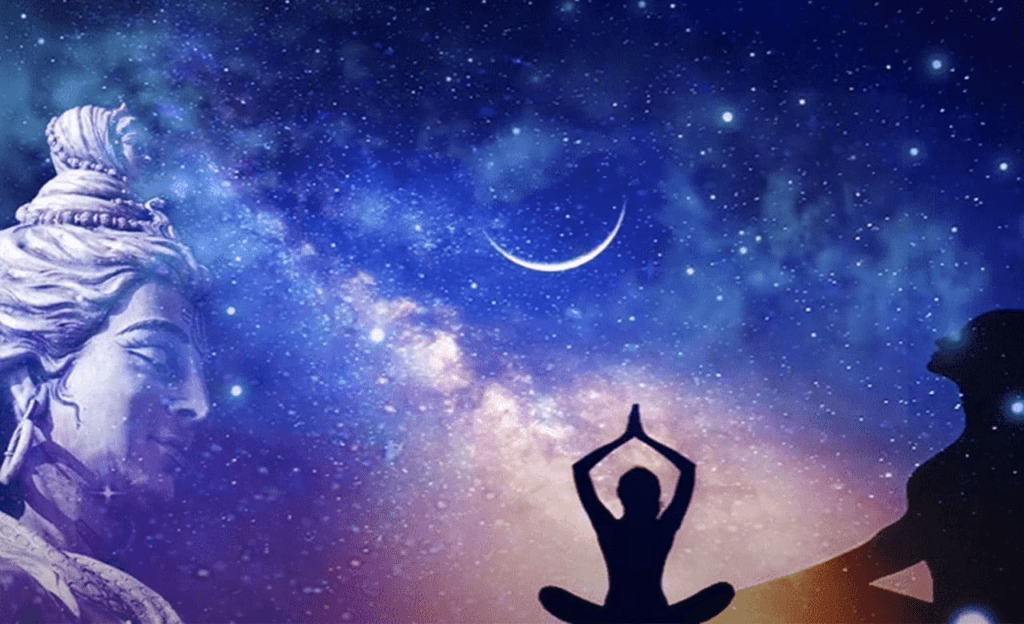
From a Shaivite and yogic perspective, Shivratri is deeply tied to energy alignment. Traditional texts suggest that the planetary position on this night naturally supports upward movement of consciousness.
Yogic Interpretation of the Night
Yogis believe:
- The spine is more receptive during the night hours
- Meditation becomes steadier with fewer external stimuli
- Breath control practices feel more natural
This explains why many ashrams emphasize meditation and mantra japa rather than elaborate ceremonies.
The Role of Stillness
Unlike festivals that focus on action, Shivratri values non-action. Sitting quietly, observing the breath, and maintaining awareness are seen as offerings equal to ritual worship.
Is it surprising that a festival centered on stillness has survived centuries of change?
Common Misconceptions Around Shivratri Dates
Every year, social media fuels confusion about whether Shivratri falls on one date or another. In 2025, similar debates emerged around February 26 and 27.
The misunderstanding usually comes from:
- Mixing fasting date with Nishita Kaal timing
- Reading multiple panchangs without context
- Assuming midnight rituals define the festival date
To be precise, the 2025 maha shivaratri date remains February 26, even though the most sacred puja occurs after midnight. This distinction is essential for proper observance.
Observing Shivratri at Home: A Practical Approach
Not everyone can visit a temple or stay awake all night. Shivratri allows flexibility without diluting meaning.
Simple Home Observance
A balanced home-based observance may include:
- Early morning bath and vow of restraint
- Offering water or milk to a home Shiva symbol
- Evening lamp lighting and mantra chanting
- Silent reflection during midnight hours
What matters is intention, not scale. As elders often remind, मन की शुद्धि ही असली पूजा है.
Cultural Continuity Across Regions
From Kashmir to Kanyakumari, Maha Shivratri takes different cultural forms, yet the core remains unchanged. Some regions focus on storytelling, others on music, and many on collective night vigils.
Despite linguistic and ritual diversity, the spiritual message travels intact:
- Detachment from excess
- Awareness over habit
- Discipline over indulgence
This continuity explains why shivratri 2025 will feel familiar even as contexts evolve.
Why the 2025 Shivratri Matters
Every Shivratri arrives with the same teachings, yet each year feels different because people change. In 2025, when life feels accelerated and fragmented, a night dedicated to stillness carries particular relevance.
The question is not whether one fasts perfectly or stays awake completely. The real question is simpler. Can one pause, even briefly, and observe the mind without distraction?
That is the quiet promise of Maha Shivratri.
Final Clarification on Shivratri 2025 Date
To remove all doubt for devotees planning rituals, fasting, or temple visits, the position is clear.
- Shivratri fasting and observance: February 26, 2025
- Nishita Kaal Puja: Night of February 26, early hours of February 27
- Festival identity: February 26 remains the official date
This aligns with traditional tithi logic and accepted practice across India, confirming the correct 2025 shivratri date beyond speculation.
When calendars disagree, tradition offers clarity. And when noise increases, Shivratri quietly reminds us to listen inward.