
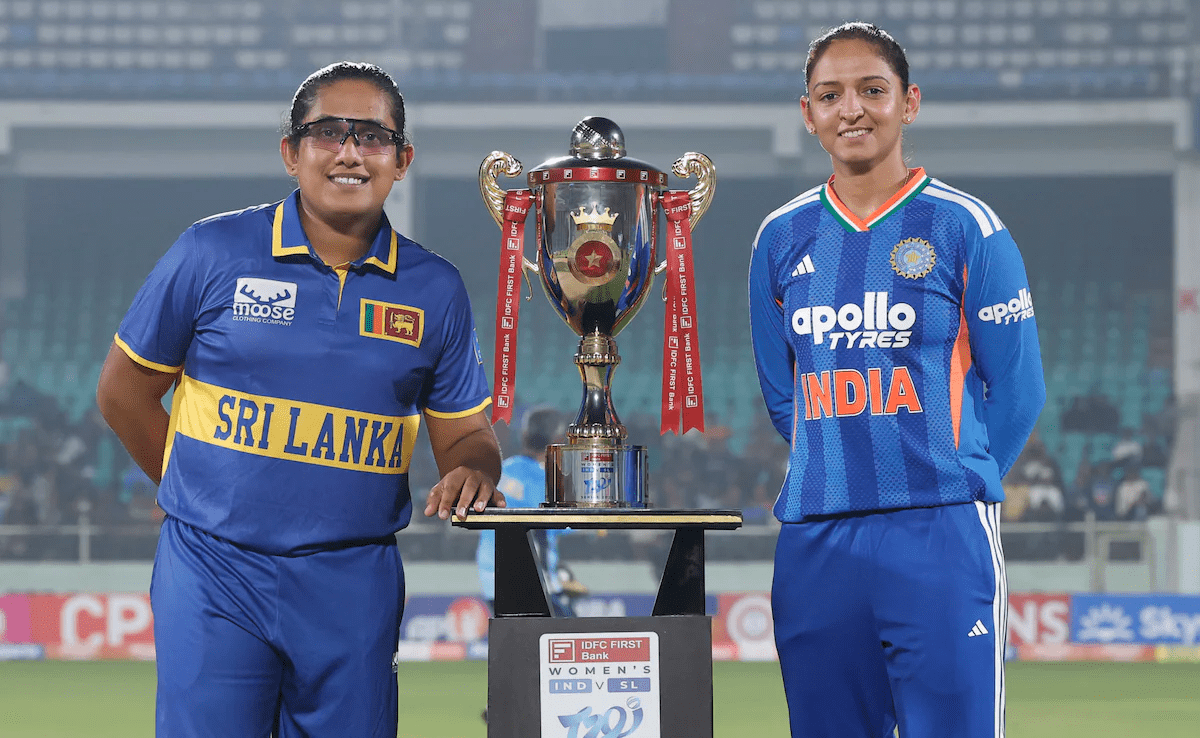
The final match of the five-game series between the India women’s national cricket team vs Sri Lanka women carried a different narrative than expected. With the series already decided, attention shifted from the result to team selection, as Smriti Mandhana was not named in the playing XI.
For fans following india vs sri lanka live, the absence of one of India’s most recognisable batters immediately raised questions. In a rivalry that often draws intense scrutiny, any change at the top of the order becomes a talking point. This time, the explanation was straightforward and strategic.
India, leading the series 4–0, chose rotation over continuity. The decision reflected a broader approach to squad management rather than any tactical concern specific to the opposition.
Why Smriti Mandhana Was Rested
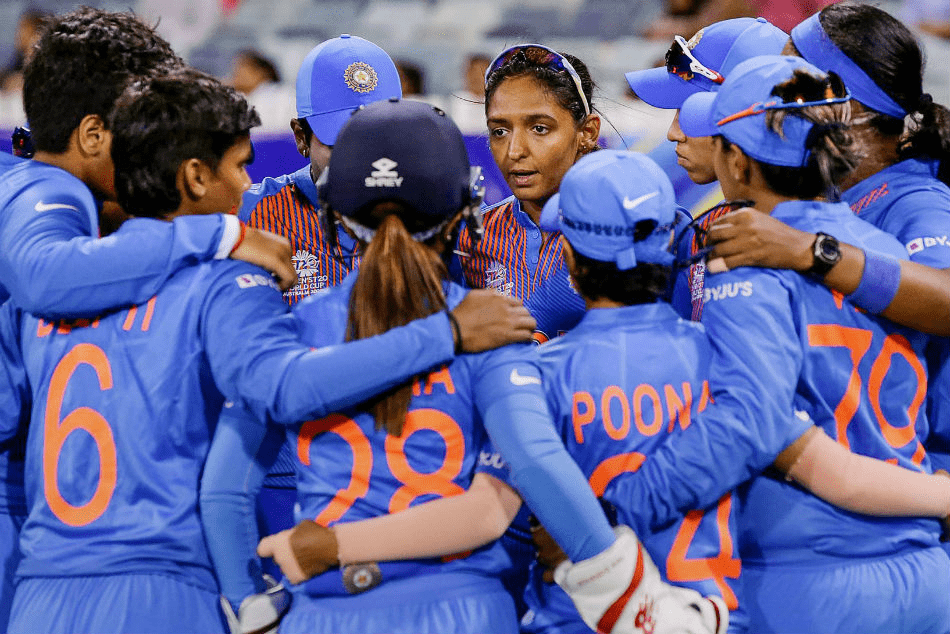
The call to rest Smriti Mandhana in the fifth T20I of the india women’s national cricket team vs sri lanka women series was confirmed at the toss. Captain Harmanpreet Kaur made it clear that the move was planned and precautionary.
Mandhana’s workload across formats has been heavy, and with no immediate pressure on the series outcome, the team management opted for recovery and balance. This approach aligns with how India has managed senior players in recent bilateral series.
From a long-term perspective, rest can be as valuable as runs, especially with a packed international calendar ahead.
Rotation as a Tactical Tool
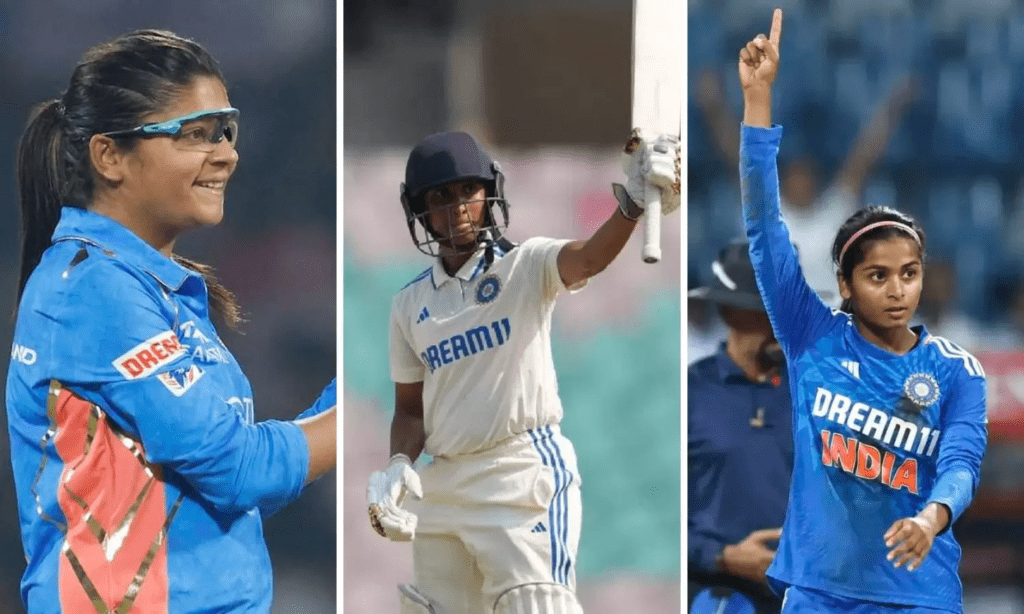
Resting senior players in dead rubbers is now common practice. In this case, it served three purposes:
- Managing player fatigue and injury risk
- Testing bench strength under match conditions
- Giving young players exposure at the international level
In indian vs sri lanka contests, such opportunities rarely come without consequence. Here, India used the advantage of a settled series smartly.
Series Context: India in Control

By the time the final T20I arrived, the india national cricket team vs sri lanka national cricket team contest had already tilted heavily in India’s favour. Four wins from four matches left little doubt about momentum.
India’s top order had fired consistently, the middle order looked settled, and the bowling unit applied pressure through all phases. Against this backdrop, rotation became a logical next step.
For Sri Lanka, however, the match still held value. Every outing against India offers lessons, especially for younger players.
Who Replaced Mandhana in the XI
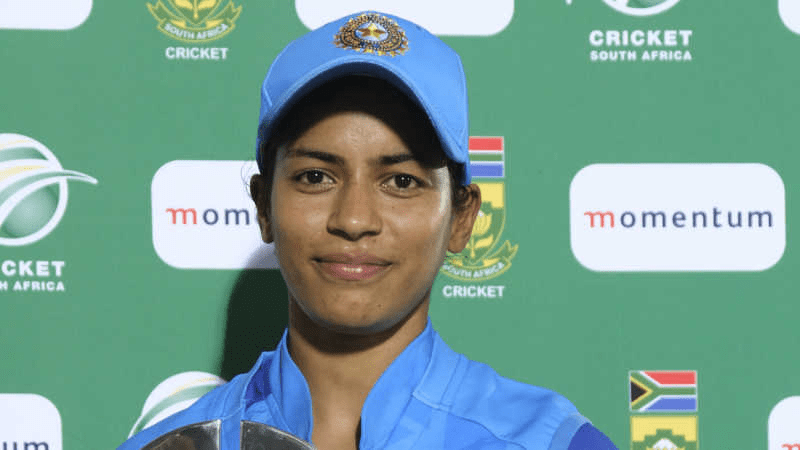
With Smriti Mandhana rested, the opening combination changed. Shafali Verma retained her spot, while 17-year-old G Kamalini was handed her international debut.
The debut was symbolic. It showed India’s intent to invest in youth even during high-profile india versus sri lanka live fixtures. Kamalini received her cap from Harmanpreet Kaur, marking a significant personal milestone.
Alongside her inclusion, Sneh Rana returned to the XI, adding depth and experience to the middle order and bowling unit.
India Women’s Playing Balance Without Mandhana
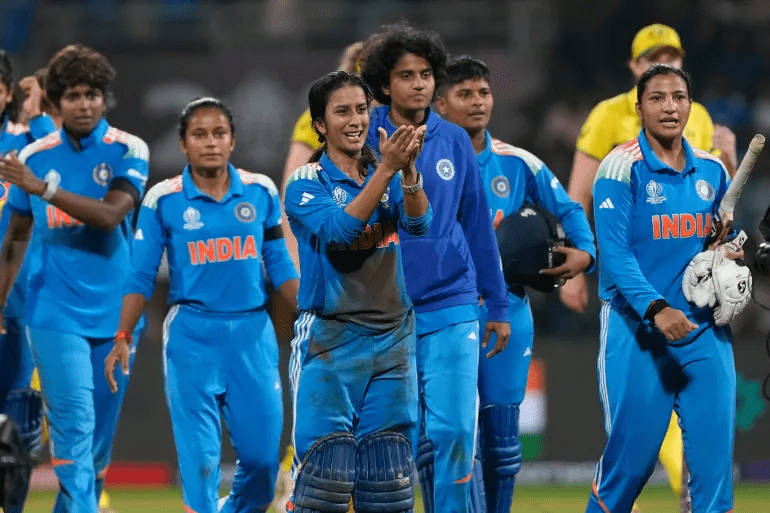
Removing a senior opener inevitably shifts responsibility. Without Mandhana, the batting order leaned more heavily on Shafali Verma’s aggression and Harmanpreet Kaur’s control in the middle overs.
India’s XI still reflected strength across departments:
- Depth in batting through Richa Ghosh and Deepti Sharma
- All-round balance with Amanjot Kaur and Sneh Rana
- Pace and spin options to control Sri Lanka’s scoring
This depth explains why india women’s national cricket team vs sri lanka women encounters have recently leaned India’s way.
Sri Lanka’s Perspective Going Into the Match
Sri Lanka won the toss and chose to bowl, looking to build on positives from the previous game. Captain Chamari Athapaththu emphasised learning and exposure rather than outcome.
For Sri Lanka, matches against India are as much about experience as results. Facing the indian vs sri lanka challenge helps identify gaps and measure progress.
Athapaththu highlighted how playing against world champions accelerates growth, especially for young players adjusting to international pressure.
The Broader Meaning of This Rotation Call
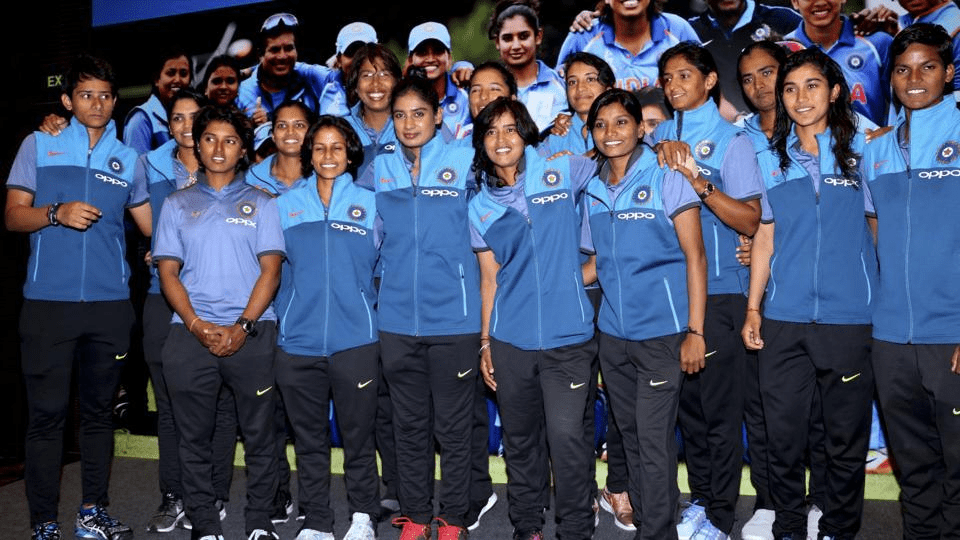
The decision to rest Mandhana reflects how the indian vs sri women setup has matured. Team management now prioritises sustainability over short-term optics.
Key signals from this move include:
- Confidence in squad depth
- Trust in younger players under pressure
- A long-term view toward major tournaments
For fans watching india vs sri lanka live, such decisions may feel unusual, but they underline planning beyond a single match.
What This Means for Upcoming Fixtures
Smriti Mandhana’s rest does not signal any form or fitness concern. On the contrary, it indicates careful management ahead of tougher assignments.
As india versus sri lanka series conclude, attention shifts to future challenges where full-strength squads will be required. Ensuring senior players remain fresh becomes critical.
Is resting stars when wins are secure not the mark of a confident team?
Key Takeaways From the Final T20I Selection
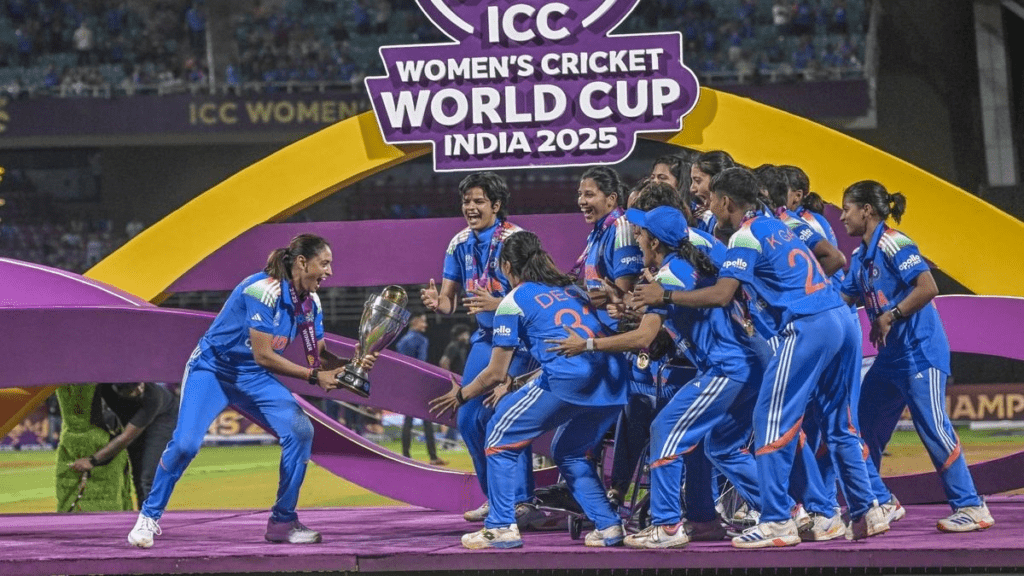
The final match of the ind vs sri lanka t20 series may not have altered the scoreboard narrative, but it offered insight into India’s evolving strategy.
It showed:
- Rotation is now embedded in selection thinking
- Youth exposure is a priority even in marquee series
- Leadership values balance over spectacle
These choices shape how indian vs sri lanka encounters will look going forward.
India Women’s Squad Depth Comes Into Focus
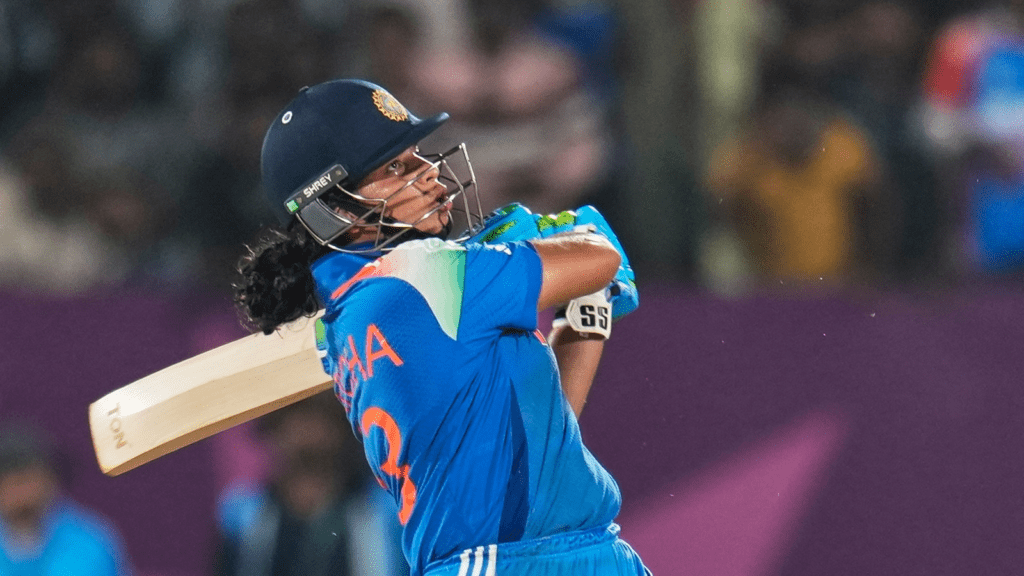
The final T20I highlighted how far the india women’s national cricket team vs sri lanka women rivalry has evolved. Even without Smriti Mandhana, the Indian lineup did not look stretched. That confidence comes from years of building depth across roles.
Players like Richa Ghosh and Deepti Sharma now operate with clarity in their responsibilities. The presence of multiple all-rounders allows flexibility, which becomes crucial when senior batters are rested. In indian vs sri lanka encounters, this balance often separates control from chaos.
For the support staff, matches like these validate long-term planning rather than short-term decision-making.
G Kamalini’s Debut and What It Signals
G Kamalini’s debut was not just a ceremonial gesture. It was a clear signal of transition. At 17, stepping into an india versus sri lanka live fixture carries weight, regardless of series status.
Her inclusion showed:
- Willingness to trust youth on a big stage
- Confidence in domestic scouting and pathways
- A shift toward gradual integration, not forced promotion
For young players watching ind vs sri women contests, this moment reinforced belief that opportunity follows preparation.
Sneh Rana’s Return Adds Stability
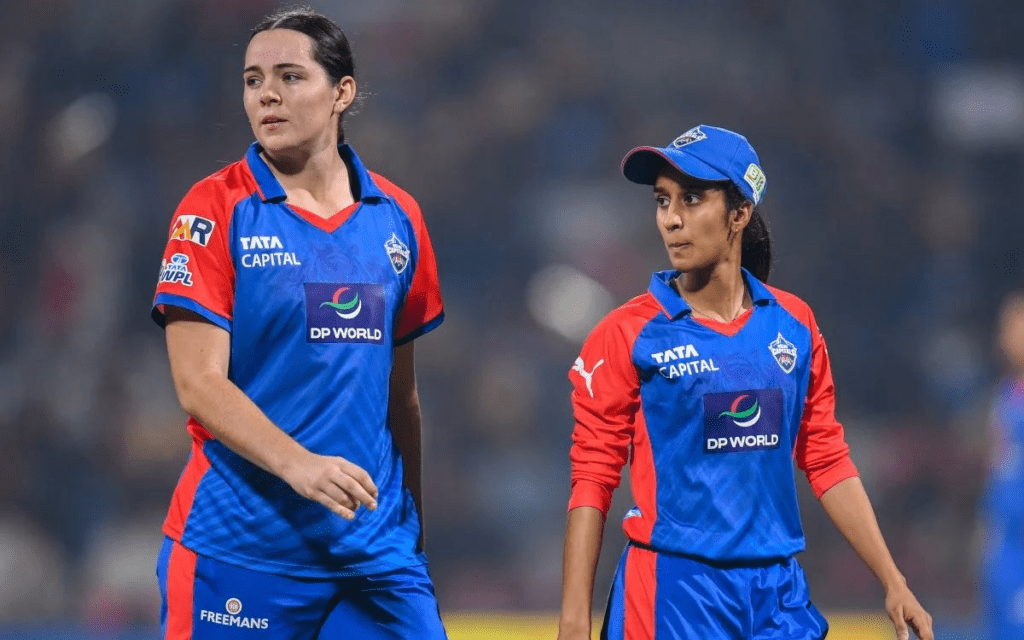
The return of Sneh Rana added a layer of control in the middle overs. While attention focused on Mandhana’s absence, Rana’s presence quietly strengthened balance.
Her ability to contribute with both bat and ball fits India’s preference for multi-dimensional players. In indian vs sri lanka fixtures, such versatility often defines outcomes more than individual brilliance.
This rotation also ensured Renuka Singh Thakur received rest, continuing the theme of workload management across departments.
Sri Lanka’s Learning Curve Against India
From Sri Lanka’s perspective, this series remained a classroom. Facing the india national cricket team vs sri lanka national cricket team benchmark exposes areas needing refinement.
Chamari Athapaththu’s comments reflected realism rather than disappointment. The emphasis was on taking positives home, especially for younger players gaining exposure.
In sri lanka vs india contests, progress is often measured in phases rather than results. Each match adds data, confidence, and clarity.
Why Resting Mandhana Makes Strategic Sense
Resting a player of Mandhana’s stature can appear counterintuitive. Yet in context, it reflects maturity. The indian vs sri lanka women setup now treats bilateral series as preparation blocks, not isolated events.
Key reasons this decision matters:
- Prevents burnout across formats
- Reduces injury risk before major tournaments
- Tests leadership and adaptability within the XI
Such thinking positions the team better for sustained success.
Fan Reaction and Public Perception
For fans following india vs sri lanka live, initial confusion quickly gave way to understanding. Modern cricket audiences increasingly recognise the value of rotation, especially in women’s cricket where schedules are intensifying.
Discussion shifted from “why is she not playing” to “who gets the chance now.” That shift itself reflects changing expectations around team culture.
Isn’t that progress in how the game is consumed?
What This Match Reveals About Team India
The final T20I did not redefine the series result, but it revealed intent. India’s approach was calm, calculated, and forward-looking.
The message was clear:
- Results matter, but sustainability matters more
- Experience must be balanced with opportunity
- Squad health is part of performance
These principles now shape how indian vs sri lanka encounters are approached at every level.
Looking Ahead After the Series
As the ind vs sri lanka t20 series concludes, India moves forward with clarity. Senior players remain fresh, youngsters gain exposure, and leadership continues to evolve.
For Sri Lanka, the takeaways are equally valuable. Competing against India accelerates learning, sharpens standards, and builds resilience.
This is how rivalries mature. Not through one-sided dominance alone, but through shared growth over time.
Final Word on Mandhana’s Absence
Smriti Mandhana missing the final match was never about exclusion. It was about inclusion of the future. In the broader arc of indian vs sri lanka women cricket, such decisions shape depth, confidence, and continuity.
Sometimes, the most important moves happen before the first ball is bowled.